
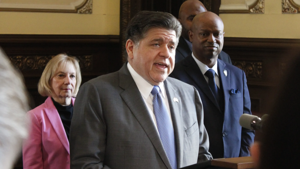
Pritzker touts state spending to cover federal cuts in passed budget
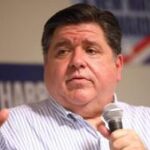
(The Center Square) – Just hours after the state’s General Assembly wrapped its spring session, Illinois Gov. J.B. Pritzker appeared along top Democrat leadership in Springfield to tout the passage of a 2027 fiscal year budget and numerous policy recommendations he’s asked the body to take up.
Nearly 400 bills passed both chambers, with 163 of those passing in the final week before the body returns in the fall. Among the biggest items to pass was a full state budget – which passed hours after the deadline, meaning it required a supermajority vote to pass.
Much of the blame for why the end of session lasted historically late into the night – or morning – was directed to the federal government and President Donald Trump.
Democrat state lawmakers spoke of many federal spending cuts implemented as a result of HR1, which the president dubbed “One Big Beautiful Bill.” Pritzker was on board with finger-pointing to D.C.
“I warned that there would be truly unprecedented challenges because Donald Trump and the Republican Congress are costing the state over $8 billion,” Pritzker said. “It’s hurting families and businesses alike and that puts a greater burden on our state budget.”
Of new laws the governor mentioned his support and celebration for were temporary gap-covering measures to programs like the Supplemental Nutrition Assistance Program and safety net hospitals across the state.
“We created the FRESH program to provide working families who lost SNAP benefits with direct relief so they could afford food,” Pritzker said. “We consolidated agencies and we increased transparency and fiscal accountability to support safety net hospitals and nursing homes.”
The Families Receiving Emergency Support for Hunger, or FRESH, will provide a one-time lump sum payment of $400 to households that are subject to changes in eligibility and work requirements for the federal food assistance.
Under HR1 from Congress, if a state’s SNAP payment error rate is between 8% and 10%, it will be responsible for a 10% share of its overall program costs. Illinois has fallen into that category between 2022 and 2024, with federal data not-yet available for 2025.
Another major focus of Pritzker’s was addressing everyday cost of living increases for state residents. The budget does provide funding for previously under or not funded state programs, such as the Property Tax Relief Grant program through the Board of Education.
It also included automatic salary increases for state lawmakers, bringing their base salaries to $101,000, the first time the figure has reached six-figures.
When asked, Pritzker did not address whether he thought lawmakers should get the increase this year when many constituents across the state face significant financial hardship.
“I’ve fought for workers to get better pay, not only with the minimum wage hike, but also with collective bargaining,” Pritzker said, straying from the six-figure salary question. “If you want to deal with affordability, what we ought to be doing is giving people better wages. That’s probably the number one thing that we could do for people.”
Sunny
Latest News Stories

Lake Land Honors Casey Non-Traditional Student of the Year Nominees
Superintendent Shelby Biggs Retires After Three Decades
Casey Library Board Advances Expansion Plans, Selects Ramp Design
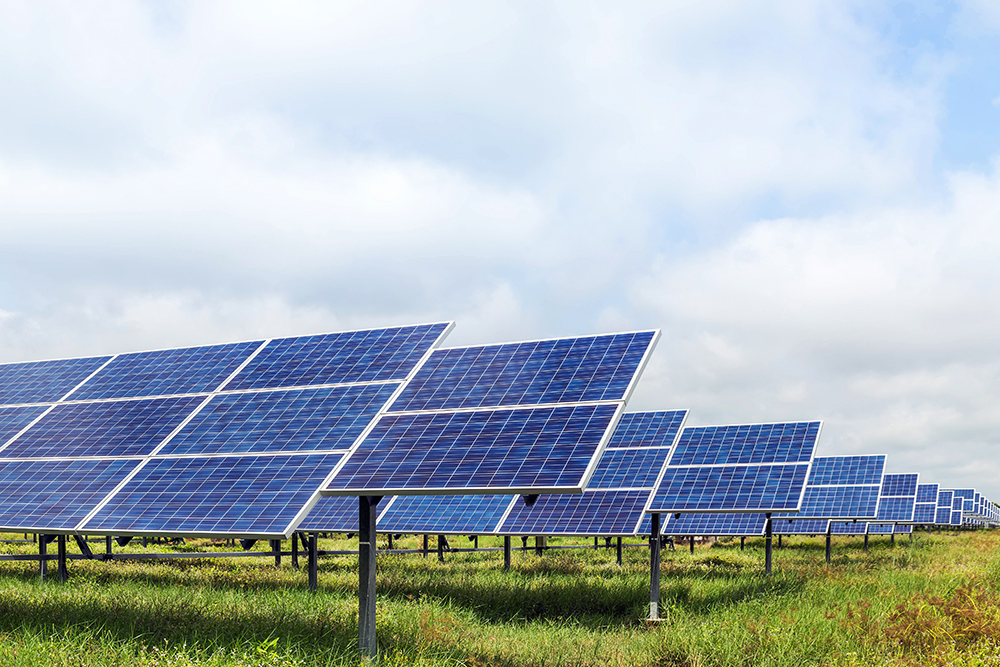
Clark County Board Approves $4.8 Million Solar Road Agreement, Weighs New State Energy Rules
District Approves $1.4 Million Lease Agreement for Nine New School Buses
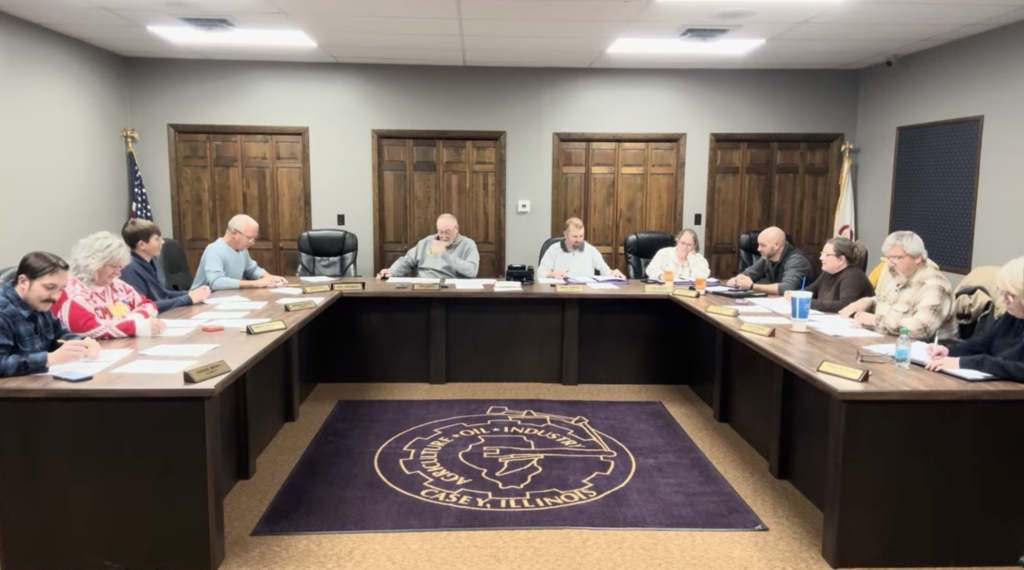
Casey City Council Approves Utility Fee Increases

Casey Nursing Graduate Honored at Pinning Ceremony

Warriors Celebrate Elite 8 Season, Honor Seniors at 2025 Football Awards Banquet
Casey-Westfield School Board Adopts 2025 Tax Levy Following Public Hearing

Warriors Remain Perfect: Varsity and JV Boys Sweep Fairfield on Mega Night

Lady Warriors Stifled by Fairfield’s High-Tempo Attack on Mega Night

Lady Warriors withstand Martinsville rally to secure road win


