New tariffs could raise nearly $1 trillion over a decade
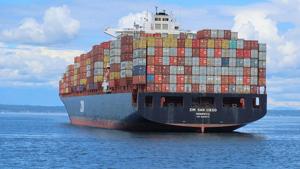
Proposed tariffs on imports from 60 economies could raise nearly $970 billion over the next decade, according to estimates released Monday by the Committee for a Responsible Federal Budget.
The tariffs, proposed under Section 301 of the Trade Act of 1974, represent the broadest use of that authority to date and the Trump administration’s largest effort to rebuild its tariff revenue base after the U.S. Supreme Court struck down tariffs imposed under the International Emergency Economic Powers Act in February.
The Committee for a Responsible Federal Budget estimated the new Section 301 tariffs would generate about $980 billion in revenue over 10 years. After accounting for an estimated $10 billion reduction tied to changes in steel, aluminum and copper tariffs, the net revenue gain would total roughly $970 billion on a conventional basis.
Combined with tariffs already in place, the administration is projected to collect about $1.9 trillion in tariff revenue through fiscal year 2036, down from a projected $2.7 trillion before the Supreme Court’s February ruling.
Despite the additional revenue, federal debt is still projected to reach 122% of gross domestic product by 2036, according to CRFB. Before the court ruling, debt was projected to reach 120% of GDP by that year.
Since losing its authority to impose tariffs under the International Emergency Economic Powers Act, the administration has relied on multiple trade statutes to pursue its tariff agenda. Courts also struck down a 10% global tariff imposed under Section 122 of the Trade Act in May.
A pending Supreme Court case, HMTX Industries v. United States, could limit the federal government’s ability to expand Section 301 tariffs.
Economists generally conclude that tariffs are paid largely by American consumers and businesses rather than foreign governments. Research from the Kiel Institute for the World Economy and the Federal Reserve Bank of New York found that the costs of tariffs are primarily borne domestically.
The Yale Budget Lab, a nonpartisan policy research center, estimates the existing tariffs cost the average U.S. household between $600 and $800 annually, a figure that does not include the proposed Section 301 tariffs.
The White House disputes that assessment.
“The cost of tariffs will ultimately be borne by foreign exporters who rely on access to the American economy,” White House spokesman Kush Desai previously told The Center Square.
Public comments on the proposed tariffs are due by July 6. Hearings are scheduled for July 7.






Mostly Sunny
Latest News Stories

Coroners warn bill renaming fentanyl overdoses could distort death certificates

New missile attacks in Iran as Trump administration set to update Congress

Illinois Quick Hits: Chicago advances in bid for 2028 DNC

Congressional Perks: Lawmakers billed taxpayers for limousine services

Casey-Westfield Board Approves 3.5% Admin Raises, Hires New Band Director

Meeting Summary and Briefs: City of Marshall City Council for February 23, 2026

Public school test scores continue to decline since pandemic
Southwestern states react to U.S. airstrikes in Iran

Appeals court won’t delay tariff refunds

Oil, gas prices jump as Iran war disrupts Middle East output

Number of service members killed in action rises to six

Bill filed to create Illinois Epstein Files Investigation Commission