
Disability-rights advocates sue Illinois over physician-assisted suicide law
(The Center Square) – A law that is set to legalize physician-assisted suicide in Illinois is being challenged by disability-rights advocates and organizations in federal court in the Northern District of Illinois.
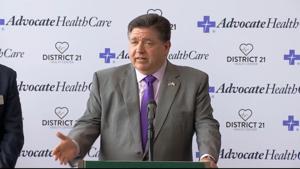
The law, signed by Gov. J.B. Pritzker last December, is set to go into effect on Sept. 12, but disability rights advocates, which make up the “End Assisted Suicide Coalition,” are seeking to prevent it.
Similar laws have been passed in 13 states across the country, with many also being challenged in court.
Ernest Galvan, a lawyer representing the group in its lawsuit against Pritzker, the Illinois Department of Health and its director, told The Center Square the group is challenging the law for its lack of compliance with the U.S. Constitution and Americans with Disabilities Act.
“The problem with that under federal disability law and under Illinois disability law is that it creates a two-track system, a separate and an unequal system of medical and mental health care for persons with disabilities,” Galvan said.
Theo Braddy, executive director for the National Council on Independent Living – a plaintiff organization in the lawsuit – shared a different argument against the law, focused on morality.
“People like myself become disabled and all of a sudden we don’t have those supports. And then someone says to us when we’re depressed and isolated that ‘we have a way out for you, which is medical assistance in dying – or assisted suicide,’’ Braddy said. “ What makes you think that that option would not be something that people will go for?”
Braddy continued by saying that he feels society often treats people with disabilities as a burden who aren’t worth paying for, and contends that other solutions exist to help people with disabilities nearing the end of their life.
Galvan said there is a stark difference between physician-assisted suicide and other approaches to addressing terminal illnesses, such as palliative or hospice care – which attempt to relieve pain and other symptoms to improve a patient’s quality of life.
“Advocates of these assisted suicide laws try to blur that difference, saying ‘the pain medications you might get – the morphine and the morphine analogs – may also cause you to die earlier because of the way they suppress your bodily functions,’” Galvan said. “But that is very different from giving you these. [They’re] essentially the same kind of cocktails of barbiturates that they use to execute people.”
A release from Pritzker’s office detailed that a patient can qualify only if two doctors agree that they have a terminal illness, giving them less than six months to live.
A patient must also have the mental faculties and understanding to choose the assisted-suicide option, which they can only pick after being informed of all other options, such as hospice and palliative care.
Galvan still took issue with a lack of oversight in the matter.
The laws “prevent medical licensing boards and other medical regulating bodies of the state from looking into where these laws are being abused to end people’s lives for reasons that even the sponsors of the law would consider illegitimate, such as financial distress, family pressure, depression, anxiety,” Galvan said.
Braddy said he doesn’t think lawmakers have acted with malicious intent, but the law is discriminatory against people with disabilities regardless.
Braddy also suggested the paths to treatment would be different among disabled and non-disabled people.
He said an able-bodied person who goes to a medical professional with suicidal intentions would immediately be given support and treatment, whereas a doctor would consider assisted suicide as an option for that same person if they had a disability.
Galvan said the plaintiffs will attempt to block the measure while litigation plays out. Lawsuits in other states have been brought over the past three years, though none have concluded in that time.






Partly Sunny
Latest News Stories

After Kirk assassination, political left social media posts list ‘next’ targets

DOJ arguing against Illinois’ gun ban ‘monumental,’ advocate says

Pastors hope Kirk’s faith is catalyst ‘to return America to a people of Godly values’

Reporting firearm threats to principals ‘common sense,’ IL legislator says

‘Radicalized’ shooter dead, two injured in wake of school shooting

“Hey fascist! Catch!”: Authorities confirm writing on alleged Kirk killer’s bullet casings

Illinois in Focus: Chicago Flips Red summons Trump; gun rights advocate on DOJ involvement

Memphis, Tennessee leaders thankful for National Guard announcement
Illinois quick hits: Pritzker touts crime prevention; former radio host DuMont dies

‘We got him:’ Kirk shooting suspect in custody

Charlie Kirk shooter: Intelligent, inscriptions suggest online radicalization

Search goes on for suspect in Charlie Kirk assassination