U.S.-EU trade deal includes ceiling for European pharmaceutical imports
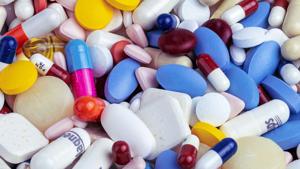
The European Union has escaped a potential 250% pharmaceutical tariff and instead has secured a maximum 15% levy with the U.S. according to a joint statement released by both parties Thursday.
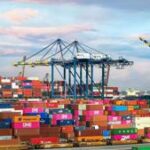
The U.S. and EU unveiled a high-level tariff blueprint Thursday, the first public, written expression of a plan they largely agreed to in July. Included within the terms is the elimination of an EU tariff on American industrial products, a stipulation to lower tariffs on many agricultural goods, a reduced tariff of a maximum 15% on European cars, and a 15% cap on semiconductor, lumber and pharmaceutical imports from the EU.
The 15% ceiling on pharmaceutical tariffs is a welcome reprieve from a phased increase of up to 250% in the coming years – something President Donald Trump mentioned in an interview with CNBC earlier this month.
“We’ll be putting initially a small tariff on pharmaceuticals, but in one year – one and a half years maximum – it’s going to go to 150% and then it’s going to go to 250%, because we want pharmaceuticals made in our country,” Trump had said.
Secretary of Commerce Howard Lutnick celebrated the agreement on X, formerly Twitter.
“The America First Trade Agenda has secured the most important trading partner creating a major win for American workers, U.S. industries, and our national security. Tariffs should be one of America’s favorite words,” Lutnick wrote.
The 27-nation EU is the largest supplier of many goods to the U.S. and the two enjoy “the world’s largest bilateral trade and investment relationship” and the “most integrated economic relationship in the world,” according to the European Commission. The agreement aims to correct “trade imbalances” the president has said exist between the U.S. and nearly all of its trading partners.
The joint statement “reflects acknowledgement by the European Union of the concerns of the United States and our joint determination to resolve our trade imbalances and unleash the full potential of our combined economic power.”
The Trump administration has promised to make pharmaceutical drugs cheaper for Americans and has taken several steps it believes will achieve that goal. In May, it announced that it would “equalize” what the U.S. pays for pharmaceutical drugs with its economic peers with an executive order aimed at securing “most favored nation” pricing for the U.S.
The president also issued another executive order to enhance the Medicare Drug Price Negotiation Program, and he wrote letters to some of the world’s biggest drug companies threatening government action if they did not lower some of their prices. Part of the president’s goal in exacting higher tariffs is that it would motivate countries to move or expand their business to the U.S. to avoid them.
While not legally binding, Thursday’s statement is intended to be a “first step in a process that can be further expanded over time to cover additional areas and continue to improve market access and increase their trade and investment relationship.”
According to Alex Durante, a senior economist at the Tax Foundation, the EU supplies about 61% of America’s pharmaceutical drugs. Switzerland, Singapore and India follow but supply significantly less – 9%, 8% and 6%, respectively.


Mostly Sunny
Latest News Stories
U.S. jumping into action to assist Venezuela following massive earthquakes

Casey Awards Utility Line Boring Contract to B&T Drainage
Parents warned of YMCA camps’ transgender-inclusive policies for cabins, restrooms

Chicago’s potential ‘teen takeover’ solutions cost taxpayers

Congressional proposal aims at ‘loophole’ for ideology policies

Illinois Quick Hits: Opioid overdose deaths decline in Cook County

Los Angeles school board passes budget, limits screen time

WATCH: How data centers rescued a struggling central Washington community
Oppenheimer’s grandson supports nuclear energy bill
Trump expresses frustration with NATO as Rutte praises the president

Ex-fire chief sues Los Angeles mayor for defamation
Over $10 billion U.S. taxpayer dollars spent on improper SNAP payments in 2025