Appeals court: Serious Chicago police disciplinary hearings must be public
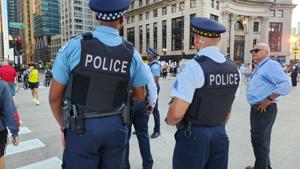
(The Center Square) – A panel of appellate court judges has ruled Chicago police officers facing serious misconduct allegations must have their hearings heard in public. A law school professor says it’s a victory, but just the beginning.
University of Chicago Law School professor and Civil Rights and Police Accountability Project founder Craig Futterman said a panel of appellate court judges made the only decision they could in upholding a lower court’s ruling stipulating that all Chicago police officers facing serious misconduct allegations must have their hearings heard in public.
“Holding these hearings in secret destroys public trust,” Futterman told The Center Square. “People don’t trust what they can’t see and a very first principle of policing is that we as police officers work for the public, serve the public and are accountable to the public. Among the lessons that have long been learned is that accountable and transparent policing is essential for public safety.”
In a move that upholds a Cook County judge’s earlier ruling, the panel of three judges cited “police accountability and transparency” concerns in rendering their decision. At the same time, the ruling allows officers to continue having their fate decided by an arbitrator as opposed to Chicago Police Board members.
If upheld, the ruling could mean big changes for the system after more than six decades of officers facing such disciplinary proceedings having their fates wholly decided by board members.
Futterman is quick to add there is still much work to be done in the name of greater transparency and accountability.
“One ruling doesn’t solve all our problems,” he said. “If the court did not stand up and speak up to protect police accountability and transparency, we’d be in a heap of trouble. We would essentially be undermining any form of police accountability and transparency in Chicago and in the state of Illinois.”
In the end, Futterman said such policy is a win-win situation for all the parties involved.
“If you protect the minority of officers who are abusive or racist and are acting as bullies or abusing their powers, people aren’t going to trust the 80-90% who aren’t doing that stuff because the message that sends to the public is the real police are those officers who are protected,” he said. “That’s not in the interest of the officers I admire and respect.”
Thus far in 2025, the Police Board has heard just one case and in two others Chicago taxpayers have been forced to pay out at least $12.75 million to resolve misconduct related lawsuits.
Events
Latest News Stories
Bill on Pritzker’s desk enhances Illinois’ migrant sanctuary policies

Warriors hold off host Pirates to reach title game
Legislator critical of criminal justice policies amid Chicago robberies
Six Texas Republicans leaving Congress, finishing out terms next year
WATCH: Johnson responds to Trump; Migrant rental assistance urged; Credit card oversight

Illinois quick hits: Cyber Monday security tips; expecting mother discharge legislation

Everyday Economics: A consumer slowdown, fraying margins, and a big test for the Fed
Casey Residents See 5 Inches of Snow; More Accumulation Forecast for Tuesday

Watchdog: Donations to liberal causes will continue despite Arabella’s rebrand

Meeting Summary and Briefs: Lake Land College Board of Trustees for October 2025
Illinois rejects federal ‘no tax on tips’ rule, keeps state tax on tipped income
Attack foiled in Ft. Worth day before National Guard troops shot in WDC