WATCH: Legislator says Illinois’ child welfare agency uses interns, has legal exposure
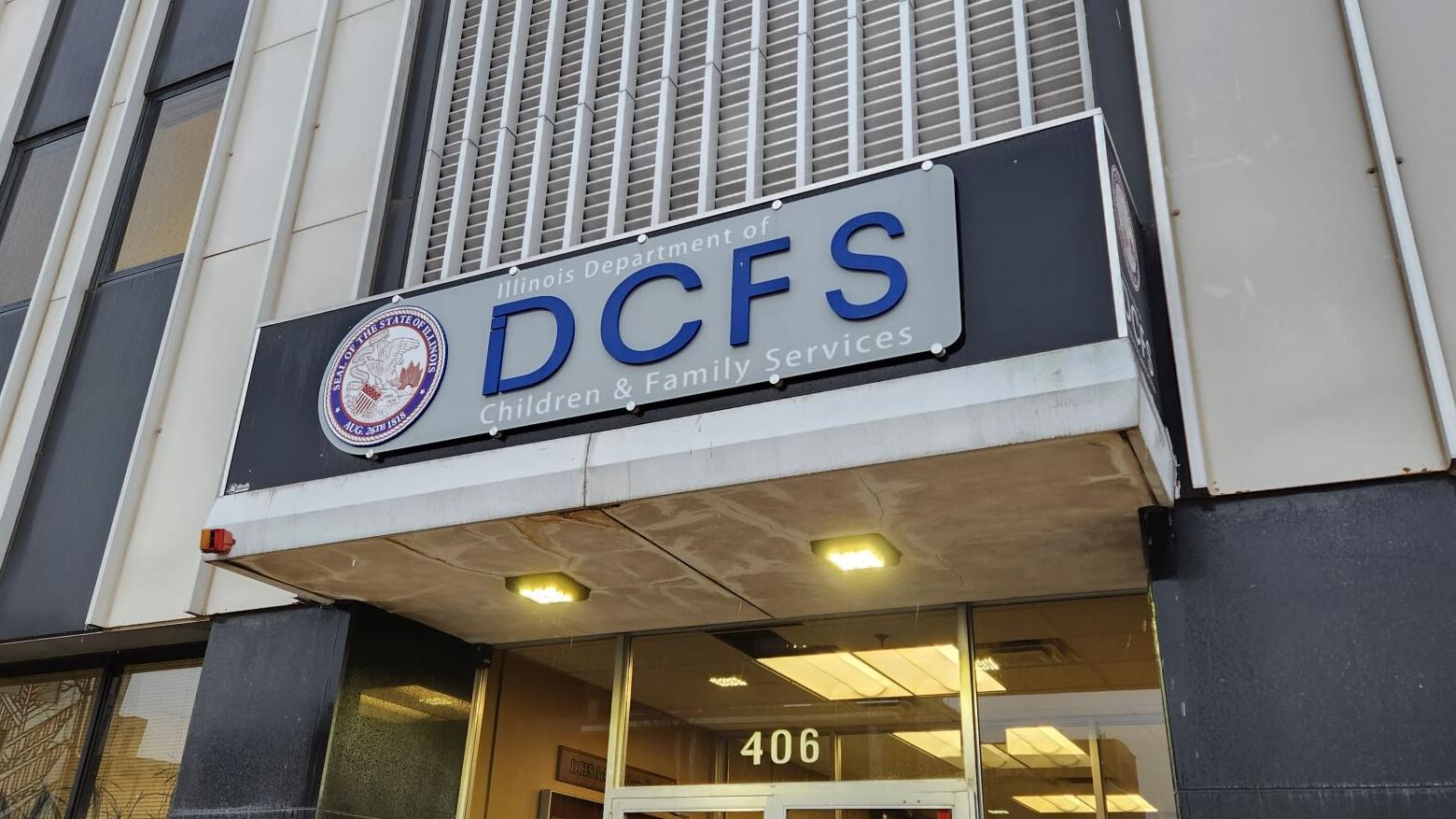
(The Center Square) – An Illinois state legislator insists the state’s child welfare agency is violating the law by using interns to investigate families, opening the state to potential legal exposure.
Earlier this month, state Rep. Jed Davis made the allegations that the Department of Children and Family Services is using uncertified interns in their investigations. In one case he’s familiar with, he said the intern’s investigation led to a child improperly being removed from a home.
“If you have somebody knocking at your door, you want to make sure that they had the relevant experience to actually conduct a full investigation, because interns, by the very definition, are lacking that experience,” Davis told The Center Square last week.
The Illinois Department of Children and Family Services denied the allegations. It said Davis had “both the law and facts wrong.”
“Representative Davis’ engagement in this matter stems from an active legal proceeding in which the court is making a determination about whether a child has been abused, and to say his actions are inappropriate is a grave understatement,” an agency spokesperson told The Center Square.
Davis fired back.
“If you are telling me all you need is your [child welfare employee license] and zero experience to investigate kids, I think they’re legally exposed to significant ramifications, like big legal exposure here,” Davis said. “So they’re doubling down and just continuing to push back, which is sad because we’re not doing what’s right by Illinois families.”
The agency said they’ve attempted to clarify for the representative.
“DCFS has made repeated good faith attempts to clarify the distinction between Central Management Services (CMS) title classifications and statutory requirements for child protection investigators with the Representative and his associates,” a spokesperson said.
Davis said the agency is trying to conflate certification and licenses when he says they’re distinct in state statute.
“What the department is telling us is we can send people to your door with zero experience, and we’re OK with that,” Davis said. “Again, I think they have legal exposure.”
The ACLU of Illinois addressed the issue with The Center Square.
“We would act decisively under the BH Decree if DCFS had a practice of sending out people who lacked the necessary training and credentials to conduct investigations,” said ALCU of Illinois’ Ed Yohnka. “There is no evidence of a systemic failure here in the materials presented, documents that date back to 2017 and likely are not current.”
The B.H. v. Johnson consent decree case filed in 1988 requires monitoring of reforms the ACLU said focus on “secure safe, stable homes for thousands of children in Illinois and to, among other things, reduce caseloads, improve the safety of children, protect adequate agency funding, implement better training for caseworkers and private agency staff, and reorganize DCFS systems of supervision and accountability.”
Yohnka said through the decree, the ACLU has made strides toward those goals.
“As that progress advances, we expect that the workers now filling those roles must be properly trained and will continue to monitor that processes going forward,” he said.
###



Mostly Sunny
Latest News Stories

WATCH: Eight years later, quiet opt-out rules can’t stop millions saved in union dues

Accounting analyst: SEC should examine Illinois pension funding

Illinois Quick Hits: Chicago man arrested in connection with planned attack at White House

Costar shareholders re-elect directors, resist external pressure

Trump accuses Iran of violating ceasefire after drone attack on cargo ship
Legislature takes more measures against firms opposing redomiciling in Texas
Mistrial declared in federal Palisades Fire arson case
Attorney: Supreme Court leaves path for property owners
Ex-cops blast Chicago mayor’s new agency

Illinois Quick Hits: Chicago reports increased visitor spending
Clark County OKs Engineering Deal for $1.5M Road Work North of Casey

Federalist Society panel takes on third-party lawsuit financing