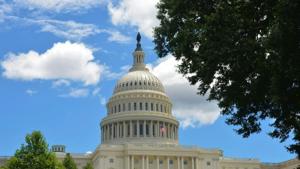
Chevron petitons Supreme Court to move lawsuits to federal court
Chevron and other oil companies say parish lawsuits over World War II-era oil work belong in federal not state court because the companies were assisting the war effort, and Congress lets such cases be heard in federal court.
Chevron and several copetitioners filed a fresh opening brief at the U.S. Supreme Court on Thursday, saying a wave of coastal-erosion lawsuits brought by Louisiana parishes should be tried in federal court under the federal-officer removal statute.
The brief – led by former U.S. Solicitor General Paul D. Clement – was filed Sept. 4 in Chevron USA Inc. v. Plaquemines Parish.
The case is one of dozens brought under Louisiana’s State and Local Coastal Resources Management Act, which created a coastal-use permitting program starting in 1980. The legislation includes a “grandfather clause” stating that uses lawfully started before Sept. 20, 1980, do not require a coastal permit, a point the companies say the parishes are trying to sidestep by targeting activities from decades earlier.
Chevron’s filing centers on a statute which lets cases be removed to federal court when defendants were “acting under” federal officers. The brief says Congress broadened that statute in 2011 to cover suits “relating to” acts taken under federal direction, so companies don’t need an explicit contract clause ordering the precise conduct being challenged – as long as the conduct is connected to fulfilling federal contracts.
To show that connection, the companies point to World War II. They say their predecessors increased oil production in Louisiana and refined that crude into aviation gasoline for the military under wartime directives and contracts. As Judge Andrew Oldham noted in dissent, “it is unclear how [petitioners] could have met their contractual obligations with the federal government” without ramping up production from those fields.
Chevron also highlights a recent state-court verdict as a cautionary example. Earlier this year, a Louisiana jury returned a $744.6 million award in a Coastal Resources Management Act case; the brief says the 5th U.S. Circuit Court of Appeals has already rejected the theories used to reach that result.
The filing opens with the principle that private parties assisting federal officials should have their federal defenses decided “free from local interests or prejudice.”
“Those who assist federal officers in discharging responsibilities that are nationally important but locally unpopular need a federal forum whether the assistance is indispensable or simply useful,” the brief states.
The Supreme Court agreed to hear the case for the term that begins in October. A briefing schedule is underway this fall on whether the 5th Circuit used the wrong standard when it kept the cases in state court.




Mostly Sunny
Latest News Stories

Chicago court keeps block on Florida suit over kids transgender medicine

Damage costs still being assessed from record tornado numbers

Pritzker open to ‘fair’ data center development, local moratoriums
Casey Council Approves Route 49 Closure for Fourth of July Parade

Illinois Quick Hits: ICE arrests woman accused of helping never-charged shooting suspects

Baseball commissioner admits mistake; no discipline for players
U.S. Senate passes landmark bipartisan housing bill, sends to House

POLL: Majority of voters believe U.S. should stay in NATO

Nonprofits: Los Angeles schools need to do better following Carvalho’s resignation

Chicago anti-violence department proposed; activist dismisses Trump post
Pritzker plans to sign social media law despite criticisms

Illinois Quick Hits: IDOT says all 102 counties to have transit