Colorado economists warn of potential recession, cite tariffs
Colorado is now expected to be nearly $100 million short of the statutory reserve requirement for fiscal year 2024-2025, according to state economists.
This comes as inflation is also expected to continue increasing through the end of the year, raising concerns about a potential recession.
This is all according to the Quarter Three Economic Forecast, which was released Monday by the Office of State Planning and Budgeting. The forecast laid blame on Republicans for Colorado’s economic troubles, pointing to both federal tariff and trade policy and cuts in the federal One Big Beautiful Bill Act (H.R. 1).
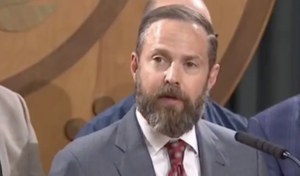
“Today’s forecast again shows that the president’s reckless tariff taxes are increasing costs on consumers, sabotaging our economy, tightening the job market, and driving up inflation,” said Colorado Gov. Jared Polis, a Democrat. “This forecast is clear. Coloradans are paying the cost for Trump’s tariffs and Republicans’ Washington politics.”
The report predicts inflation in Colorado will continue to increase month over month, with a peak coming at the end of the year.
Going into 2026, month-over-month inflation is expected to begin to drop due to decreased consumer spending.
“OSPB expects consumer demand to weaken in the first half of 2026 alongside worsening household finances, which is thought to translate to again slowing month-over-month inflation,” the report said.
State economists expect inflation will have downstream effects on both corporate profits and the labor market. All that could lead to slowing wage growth, with the report predicting a 50% chance of recession in the next year, which would be “due to an expected slowdown in the first half of 2026.”
The report also pointed out the potential effects of the One Big Beautiful Bill Act, which, as previously reported by The Center Square, led to a $1.2 billion tax revenue shortfall for Colorado.
“A tailwind to economic growth is H.R. 1, which should stoke additional investments given the tax incentives, all else held equal,” the report said. “However, tariff and immigration policy headwinds are expected to offset those benefits in the near term.”
Additionally, it found that the General Fund funding shortfall below the 15% statutory reserve level is largely driven by an over-expenditure of $68.6 million by the Department of Health Care Policy and Financing.
While the report was concerned about Colorado’s economy going forward, other recent news shows it’s not all bad news for Colorado’s economy, though.
Last week, The Center Square reported on thriving entrepreneurship in Colorado after multiple companies announced plans to expand in the state.
Unemployment is also trending down, dropping in August from the 10th-highest nationally to the 16th.
Polis said Colorado is “faring better than the rest of the country” on that front, despite concerns about tariffs.
Events

Latest News Stories

Trump takes aim at Chicago crime, no-cash bail while singling out Pritzker
Burrows: Only thing standing in the way of disaster relief are missing Democrats
Trump confirms Nvidia chip agreement

Doran Coins Celebrates Grand Opening with Ribbon Cutting

States challenge federal report promoting coal plants
U.S. Supreme Court could rule on Texas lawsuits brought in Democratic-led state courts

WATCH: Illinois In Focus Daily | Monday Aug. 11th, 2025

Illinois quick hits: Judge denies Madigan’s motion; legislator urges action on DCFS interns

About Us

Everyday Economics: CPI takes center stage as tariff-driven price pressures mount

100 Women Who Care donates $4,800 to Casey Township Library

Net negative migration is harmful to the economy, economists say