Grocery tax stalls in Chicago council, measure approved in Bloomington
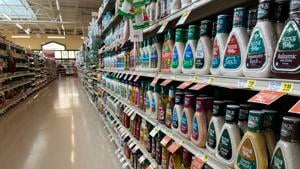
(The Center Square) – Bloomington has joined hundreds of Illinois municipalities by reinstating a one-percent grocery tax that will soon be eliminated by the state, but Chicago faces an estimated $80 million revenue loss after officials failed to act.
Chicago’s city council did not consider the tax at Thursday’s five-hour meeting, which started more than two hours late.
Chicago budget Director Annette Guzman said in June that not reaffirming the tax before Oct. 1 would exacerbate the city’s budget gap of more than $1 billion.
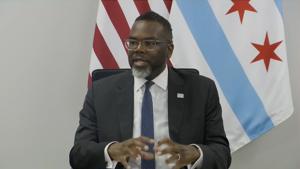
Mayor Brandon Johnson said Thursday evening that he expects conversations to continue.
“At this point, I’ve made it very clear I’m going to work to ensure we have the revenue that we need to make sure that we’re hiring young people, that we’re creating pathways to build more affordable units, that we’re expanding mental and behavioral healthcare services and that we’re making critical investments to keep our community safe,” Johnson said.
The mayor said the grocery tax is not his.
“I don’t own the rights to any taxes. This is a tax that’s been around for 30 years. The state has historically collected this tax. The state has decided that it no longer wants the responsibility to collect the tax,” Johnson said.
In August 2024, Gov. J.B. Pritzker enacted the repeal of the statewide 1% tax on groceries, effective Jan. 1, 2026. The same law authorized municipalities in Illinois to pass a 1% local replacement of the tax, which would take effect after the state tax expires.
Speaking on behalf of The Urban Center, Chicago resident Aron Mantyla addressed the city council and expressed strong opposition to the grocery tax.
“It is a direct hit to working families, especially now, when food costs are already more than 20% higher than just a few years ago,” Mantyla said.
Mantyla said the tax would also hurt small, local grocers.
“These local grocers are not faceless corporations. These are daily lifelines in underserved neighborhoods. When costs go up, customers go elsewhere, people move away or we all cut back. When those businesses close, access to affordable groceries disappears. This is not just a tax, it is a regressive tax,” Mantyla explained.
Chicago’s sales tax rate is 10.25%, including the combination of state and local taxes.
Although aldermen did not consider the grocery tax or a proposed ordinance to allow video gaming terminals in the city, they did approve plans for the Chicago Fire to build a new, soccer-specific stadium on the city’s Near South Side.
Aldermen also voted 43-4 to issue a formal apology on behalf of the city to Black citizens of Chicago for the historical injustices of slavery.
The Chicago City Council’s next scheduled meeting is Oct. 16.
Earlier this week, Bloomington’s city council voted in favor of imposing the one-percent tax. Council member Mollie Ward opposed the measure.
“It would not only provide a burden on people who are already suffering, but it would provide a burden on those least able to accommodate that burden, carry that burden,” Ward said.
Two other council members joined Ward in voting against the tax at Monday’s meeting.
“There are those on fixed incomes. There are the working poor,” Ward added.
City manager Jeff Jurgens estimated that not continuing the grocery tax would cost Bloomington about $3 million in revenue.



Sunny
Latest News Stories

Survey: Teachers not optimistic about the future of education
Congressman calls Patel a ‘breath of fresh air’ for the FBI
Arizona Senate leader seeks to rename highway after Kirk

Southern California events canceled because of ICE
House committee to investigate nexus between CCP, ‘civil unrest’
Report: Congress authorized $15 trillion in ’emergency’ deficit spending since 1991
House Dems press Patel on handling of the Epstein files
Illinois quick hits: Suspect in custody after state senator’s home struck with gunfire

WATCH: Governor candidate: Low-cost districts shine while most IL schools spend, fail
Fed cuts rates after holding off for months amid tariff turmoil
WATCH: Pritzker threatens executive action regulating hemp if legislature won’t act

Exclusive: Laws exacerbate firearm instructors shortage