Illinois quick hits: Transit cliff revision criticized; Pike County shooting investigation
Transit cliff revision criticized
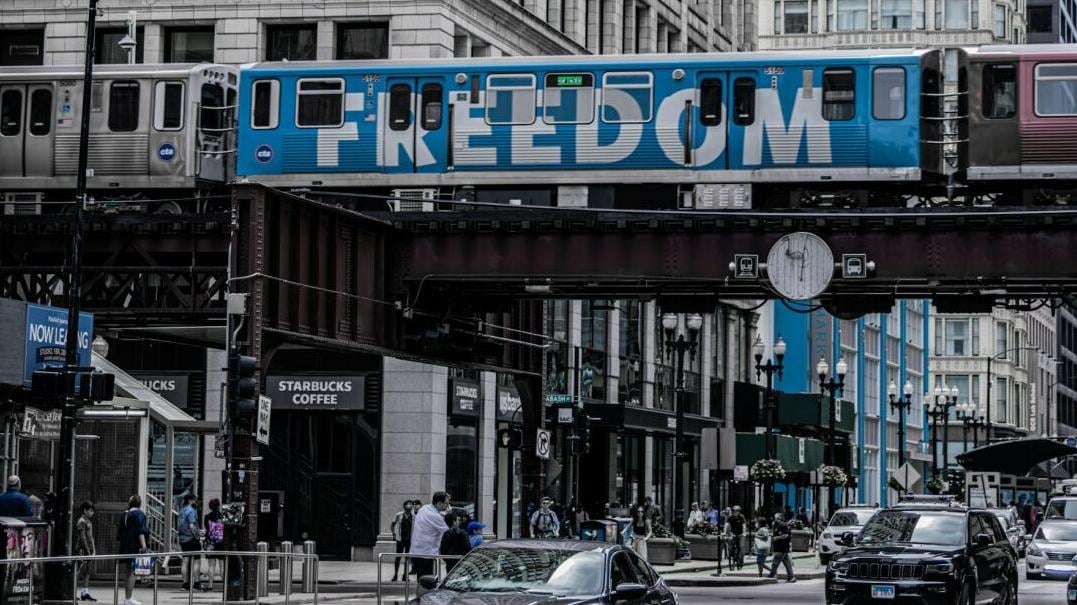
With the transit fiscal cliff expected to be revised to approximately $300 million, labor and environmental groups are still calling for action.
Labor, transit and environmental advocates released a statement saying officials are trying to downplay the fiscal cliff by revising the number down by more than half. Previous estimates eclipsed $700 million.
Legislators could take up transit related issues later this month.
Pike County shooting investigation
Illinois State Police are investigating a double homicide in New Canton.
ISP says a female victim was hospitalized after being shot at a residence and her parents were found dead in their home Wednesday morning.
The suspect, believed to still be armed, would not leave the first residence.
After obtaining search warrants, SWAT officers entered the home found the 67-year-old male suspect deceased.
High fire risk across state
According to the Illinois State Fire Marshal, fire risk is high across the state.
The latest U.S. Drought Monitor shows 100% of Illinois in drought or abnormally dry conditions, with severe drought expanding.
The state fire marshal advises residents to avoid outdoor burning, dispose of cigarettes safely and keep vehicles off dry grass.
Events

Latest News Stories

Lady Warriors suffer first loss in physical battle with Heritage

‘Trouble in Toyland’ report sounds alarm on AI toys

When was the first Thanksgiving? It’s actually up for debate

Four Lake Land College Faculty Members Awarded Tenure

District Outlines Proposal to Replace Aging Bus Fleet

Spirit of Thanksgiving in Galveston: Resilience, rebirth, renewal out of rubble

Feds criticized for excluding health care from student loan caps

Two National Guard members shot near White House

Trump election interference case in Georgia dismissed

New park fee for foreign tourists could generate hundreds of millions

CDL proposals focus on safety as American truckers lose jobs, wages

Trump’s proposed $2,000 tariff rebates face costly challenges