California attorney general fights Trump’s student visa plan
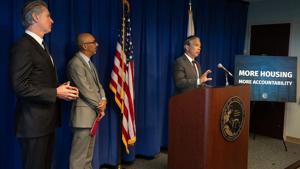
California Attorney General Rob Bonta is leading a coalition featuring 15 other Democratic attorneys general to oppose the U.S. Department of Homeland Security’s proposal to limit international student visas.
After the DHS issued its proposal to limit international student visas to a fixed four-year visa period, Bonta and the other attorneys general decided to push back. They sent a letter to Homeland Security with their concerns about this proposal. They noted that only 34% of all college students complete their undergraduate degrees within four years.
“By imposing rigid, one-size-fits-all durational limits without adequate justification, the Proposed Rule risks upending the lives of nonimmigrant visa holders and the businesses, universities, and communities that rely on them, while failing to advance any legitimate policy objective,” the letter said.
According to a press release by the DHS, foreign students would be eligible for an extension period of up to 240 days, but no longer than the length of the temporary activity or assignment.
Homeland Security stated these actions are ending risks taken by previous administrations.
“For too long, past Administrations have allowed foreign students and other visa holders to remain in the U.S. virtually indefinitely, posing safety risks, costing untold amount of taxpayer dollars, and disadvantaging U.S. citizens,” said a DHS spokesperson. “This new proposed rule would end that abuse once and for all by limiting the amount of time certain visa holders are allowed to remain in the U.S., easing the burden on the federal government to properly oversee foreign students and history.”
On Sept. 19, President Trump signed a proclamation imposing a one-time $100,000 fee for foreign workers coming to the country on H-1B visas. This could affect international students’ job security after graduation. Before, the standard process would cost around $1,000-$3,000.
International students at Cal Poly San Luis Obispo face steep tuition costs, paying approximately $40,000 each year, including $11,000 in base tuition and fees plus a non-resident tuition fee of $396 per unit, alongside additional mandatory fees like $2,500 for health insurance and $300 for orientation.
These high costs allow the university to generate millions in revenue from international and non-resident students.
International students contribute $6.4 billion to California’s economy and support more than 55,114 jobs, according to the Association of International Educators.
“Our state thrives when students from around the world come here to learn, research and contribute,” said Bonta. “We urge the Department of Homeland Security to reverse this misguided rule and recognize that America is stronger and more economically vibrant when we attract the best and the brightest students from all over the world.”
Bonta is joined by the attorneys general of Colorado, Connecticut, the District of Columbia, Hawaii, Illinois, Maine, Massachusetts, Minnesota, New Mexico, New Jersey, New York, Nevada, Oregon, Vermont and Washington in filing the letter.


Sunny
Latest News Stories

‘They deserve their story’: Bill aims to open foster care files

Under Trump, Big Bend CBP Sector in Texas making history
Board Places Scholarship Tax Credit Referendum on Ballot
Pro-life marchers say fight against abortion isn’t over

Dodgers’ first baseman loses $2M on home sale after taxes

WATCH: FOIA reveals 725% increase in Medicaid for IL children without SSNs

HHS won’t use taxpayer dollars for research using aborted fetal tissue
Education Department issues Title 1 consolidation guidance
U.S. Senate postpones Monday votes ahead of govt funding deadline
Illinois lawmakers clash over ICE funding as DHS bill advances
Leaders highlight policies to end taxpayer-funded abortions at march for life

Illinois Quick Hits: End of tax credit causes another Catholic school to close