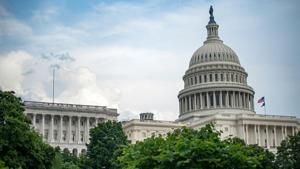
Everyday Economics: Government shutdown clouds economic picture
(The Center Square ) – As Washington remains gridlocked, Americans face more than political theater – they’re losing access to critical economic information. The government shutdown has halted the release of key data that Federal Reserve officials use to guide interest rate decisions and that businesses rely on for planning. This information vacuum comes at a particularly bad time, as warning signs were already flashing in the labor market.
1. What is a Government Shutdown?
A government shutdown occurs when Congress fails to pass funding legislation to keep federal agencies operating. Without approved budgets, “non-essential” government services stop, federal employees are furloughed or work without pay, and many government functions – including the publication of economic statistics – grind to a halt.
Key agencies affected include the Bureau of Labor Statistics (which publishes productivity, jobs and inflation reports), the Census Bureau (which releases retail sales and construction data), and the Bureau of Economic Analysis (which reports GDP figures). During a shutdown, these agencies cannot collect, process, or release the economic data that markets, policymakers and the public depend on.
2. Economic Impact of a Prolonged Shutdown
Immediate Effects:
Airport chaos: Long lines at airports, air traffic control disruptions, and lost tourism activity.Data darkness: The Fed and markets lose real-time economic visibility, increasing uncertainty,Federal worker pay delays: Employees go unpaid during the shutdown but receive back pay once it ends.
If It Drags On:
Permanent income loss: Unlike federal employees, government contractors historically don’t receive back pay. This income loss puts financial stress on households and permanently reduces consumer spending.GDP drag: Each week of shutdown shaves 0.1-0.2 percentage points off quarterly GDP growthFed paralysis: Without reliable data, the central bank struggles to calibrate monetary policy appropriately
The 2018-2019 shutdown (35 days) reduced GDP by an estimated $3 billion according to the Congressional Budget Office. A longer shutdown amplifies these effects.
3. The Labor Market Was Already Weakening
Here’s the concerning part: even before the shutdown obscured official data, private sector indicators were signaling clear deterioration.
The Job Posting Collapse
Indeed’s data reveals a sharp pullback in hiring appetite. Job postings fell 2.5% month-over-month and sit 8.9% below year-ago levels. This isn’t noise – it’s a trend. Companies are pumping the brakes on hiring and expansion.
Wage growth tells the same story. Indeed’s measure has cooled to just 2.6% year-over-year, down from 3.4% at the start of the year. When employers stop hiring workers, slack builds in the labor market, wage growth slows and households’ real purchasing power declines.
LinkedIn’s data confirms the pattern: job postings down roughly 12% year-over-year. Meanwhile, workers are staying put – quit rates continue declining as employees recognize fewer opportunities exist elsewhere.
The Housing Connection
This labor market weakness is evident in housing. The primary reason Americans move is employment – new jobs drive relocation. As job opportunities evaporate, mobility freezes, particularly among renters who are most responsive to employment shifts.
The result? Rental vacancy rates remain elevated as landlords and property managers struggle. In August, a record 36.7% of Zillow rental listings offered concessions – the highest share on record. When more than one-third of landlords feel compelled to offer deals, it signals genuine distress among housing providers and validates the broader labor market concerns.
At the same time, the construction sector faces its own reckoning – as builders finish ongoing projects, construction employment is expected to take a plunge.
What the Government Shutdown Means for the Federal Reserve
This week, several Federal Reserve officials will speak and discuss their outlook for the U.S. economy. The Fed will also release the minutes of the September FOMC meeting. Without official government jobs and inflation data, expect most Fed officials to sound more cautious about the state of the economy.
Bottom Line
The government shutdown compounds an already challenging economic picture. The Fed is flying blind at exactly the moment when private data suggests the labor market is softening faster than anticipated. The combination of weakening employment, cooling wages, and stressed housing markets suggests the economy entered a more vulnerable phase even before the data lights went out.
The question isn’t whether the economy is slowing – private indicators have answered that. The question is how much slack is building while no one in Washington can see the official scoreboard.




Sunny
Latest News Stories

Pregnancy centers ‘crucial’ to national safety net, provide over $452M to families in 2024

Inventors back effort to tackle intellectual property thefts

WATCH: Dems leave hearing before minority group’s testimony on Biden border policies

Illinois quick hits: ICC approves smaller rate increases
WATCH: Ex-Illinois governor pushes for ‘millionaire’s surcharge’ amendment

Lawmakers weigh replacing Obamacare tax credits with health savings accounts

Feds: Guilty plea hearings scheduled for Antifa members indicted on terror charges

Lawyers call legal immigration crackdown harmful

Casey Officials Clarify City Finances, Justify First Proposed Property Tax Hike in Five Years

WATCH: Illinois continues work to reduce state’s high SNAP error rate

Border Patrol agents arrest illegal CDL drivers in upstate New York

ACA premiums projected to rise 26% in 2026, far above U.S. inflation