
Judge declines to immediately block Guard deployment in Illinois
A federal judge on Monday declined to immediately block President Donald Trump’s deployment of the National Guard to Chicago to address violence in the city.
Judge April Perry, a Biden appointee, said she needed more time to evaluate the state of Illinois’ request for a temporary restraining order and scheduled a hearing for Thursday.
The state sued the Trump administration earlier in the day. Gov. J.B. Pritzker and Attorney General Kwame Raoul called the deployment “Illegal” and “unconstitutional.”
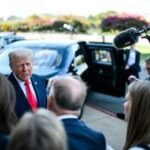
Trump on Monday called Chicago a “war zone,” citing dozens of shootings and homicides in the city in recent weeks.
About 200 Texas National Guard troops are expected to arrive in Chicago by Tuesday. Barring a court-ordered stoppage, about 300 Illinois Guard members are to begin training Tuesday.
Also on Monday, federal prosecutors filed a murder-for-hire charge against a man they say offered $10,000 for the killing of a senior Border Patrol official in Illinois.
Chicago Mayor Brandon Johnson on Monday issued an executive order to make Chicago an ICE free zone. Johnson’s office said the executive order creates clear mechanisms to prohibit federal immigration agents from using any city-owned property in their ongoing operations in Chicago.
• Illinois Editor Greg Bishop contributed to this report.


Sunny
Latest News Stories

McCuskey, coalition of AGs urge SEC to review OpenAI
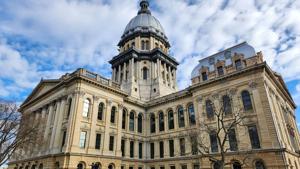
Springfield strains for balanced budget; Illinois revenue forecast shifts down

DOJ targets healthcare fraud in California, Arizona, Nevada

Illinois Quick Hits: University of Chicago to offer free tuition

Human capabilities focused in student, teacher artificial intelligence guide
U.S. House to vote on bills targeting fraudulent, foreign election donations

Responses due in Virginia redistricting appeal

Illinois Republicans blame taxes, lawsuits after Morton Salt exits Chicago

Data center regulations weighed; some worry over jobs, energy, taxes

Illinois ranks 46th out of 50 states for financial transparency

Solutions differ for Chicago Public Schools’ potential $1B deficit
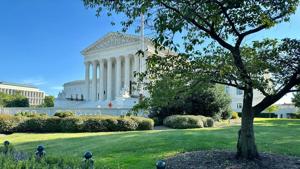
U.S. Supreme Court rules against trucking industry