Supreme Court appears skeptical of Colorado conversion therapy ban
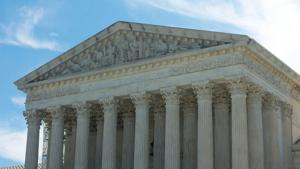
The U.S. Supreme Court appeared ready to rule against a Colorado ban on conversion therapy during oral arguments on Tuesday.
The challenge in Chiles v. Salazar, the case heard by the high court, is over a 2019 Colorado law that censors certain conversations between counselors and minor clients who express unwanted same-sex attractions or gender dysphoria.
The law prohibits counselors or physicians from attempting to “change behaviors or romantic attraction or feelings toward individuals of the same sex.”
Lawyers for Kaley Chiles, a licensed therapist in Colorado, said the law goes against Chiles’ First Amendment rights to counsel children who have unwanted same sex desires. The lawyers argued Chiles would be unable to offer verbal counseling to a child who struggled with unwanted same sex desires under the law.
James Campbell, a lawyer for Chiles, said the law makes it so “states can transform counselors into mouthpieces for the government.”
Shannon Stevenson, Colorado’s solicitor general, argued the treatment at issue is centered around speech of a medical professional, like a licensed counselor.
“It does not stop a professional from expressing any viewpoint about that treatment to their patient or to anyone else,” Stevenson said.
Justice Amy Coney Barrett questioned Stevenson about the harms of conversion therapy for minors who undergo the counseling.
Stevenson pointed to the harms caused by conversion therapy and said there is an increased risk of suicide for individuals who undergo the treatment.
“The harms from conversion therapy come from when you tell a young person ‘You can change this innate thing about yourself,'” Stevenson said.
Justice Samuel Alito questioned whether medical consensus over the harmful means of a practice could be “taken over” by political ideology.
Stevenson said there was no evidence of medical consensus being affected by political ideology.
Adèle Keim, senior counsel at the Becket Fund, urged the high court to rule in favor of Chiles.
“Experts around the world are urging caution when it comes to treating children struggling to accept their biological sex,” Keim said. “Banning counseling that offers young people a slow and compassionate approach flies in the face of emerging medical consensus and basic human decency. We’re hopeful the Court will protect counselors who are helping kids in need.”
Justice Ketanji Brown Jackson questioned whether speech used in a therapy or medical setting can be considered the same as First Amendment speech.
Jackson said she is “struggling with whether a therapist, who is acting in their professional capacity to help someone achieve their goals, is really expressing a message for First Amendment purposes.”
She said licenses for state medical practices could make a difference in the regulation of speech.
“Americans should never have their professional speech censored simply because the government disfavors that speech,” said Kelly Shackelford, President, CEO, and Chief Counsel for First Liberty Institute. “In this case, the Supreme Court can once again remind state governments that the Constitution actually means what it says when it protects the free speech of its citizens.”



Chance Showers And Thunderstorms then Showers And Thunderstorms Likely
Latest News Stories

NFIB says economy growing, but jobs lagging
‘I don’t have anything to negotiate:’ Johnson holds firm on GOP shutdown strategy

Analyst points to inefficiencies as Pritzker touts record spending on infrastructure

Federal judge blocks cuts in anti-terror funding to NYC transit

Businesses seek more time to address ‘diverging interests’ in tariff challenge

Israel-Hamas peace deal in limbo as clock ticks away on deadline
Trimming the fat: Trump boasts of shuttering government agencies amid shutdown
Trump freezes $18 billion in NYC infrastructure over DEI policies

Illinois quick hits: DHS announces more than 800 illegals arrested; utility prices drop slightly

WATCH: Officials shift shutdown blame; agreed-bill process upended; GOP offers solutions
Critics: Democrat Senators supporting “Democracy’ amendment would curtail free speech

LA skyscrapers for homeless could cost federal taxpayers over $1 billion