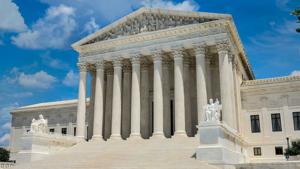
SCOTUS considers IL congressman’s standing to challenge ballot counting law
(The Center Square) – The U.S. Supreme Court is considering whether an Illinois U.S. House candidate has standing to sue the state over counting federal election ballots beyond election day.
Illinois U.S. Rep. Mike Bost, R-Murphysboro, sued the state of Illinois in 2022 for counting mail-in ballots postmarked on election day up to two weeks after election day. Before addressing the merits of the case, lower courts found he didn’t have standing.
Representing Bost Wednesday in front of the U.S. Supreme Court, attorney Paul Clement said Bost has standing with his name on the ballot.
“Those unlawful ballots could cost Congressman Bost the election or at least reduce his margin of victory,” Clement said. “And he has to pay his campaign staff for two extra weeks. All of that means that Congressman Bost has standing three times over.”
Representing the state, Illinois Solicitor General Nale Notz argued against granting Bost standing.
“Petitioner’s blanket candidate’s standing rule would cause chaos for election officials while saddling federal courts with resolving abstract policy disputes,” Notz argued.
Notz warned increased lawsuits could burden local elections officials and courts.
“First, it would create chaos for election officials. It is very easy to be a candidate,” she said. “Any self-declared candidate could challenge any election rule that they happen to have a policy disagreement with, even if that rule were entirely harmless, and election officials who are tasked with actually running elections would have to divert their time and energy and litigate.”
Clement said Bost has standing by having to expend resources to monitor ballot counting after the election.
“So now in the last two weeks, I have to spend some money. If the election ends at election day, you’re going to spend your money throughout the process differently,” Clement said. “You’re going to spend much less money at the margins. You’re gonna spend less money directed at likely mail-in voters. You’re going to spend a little more money at the margin on your voters who you think are actually going to go to the polls.”
The justices took the case under advisement.




Slight Chance Showers And Thunderstorms then Chance Showers And Thunderstorms
Latest News Stories
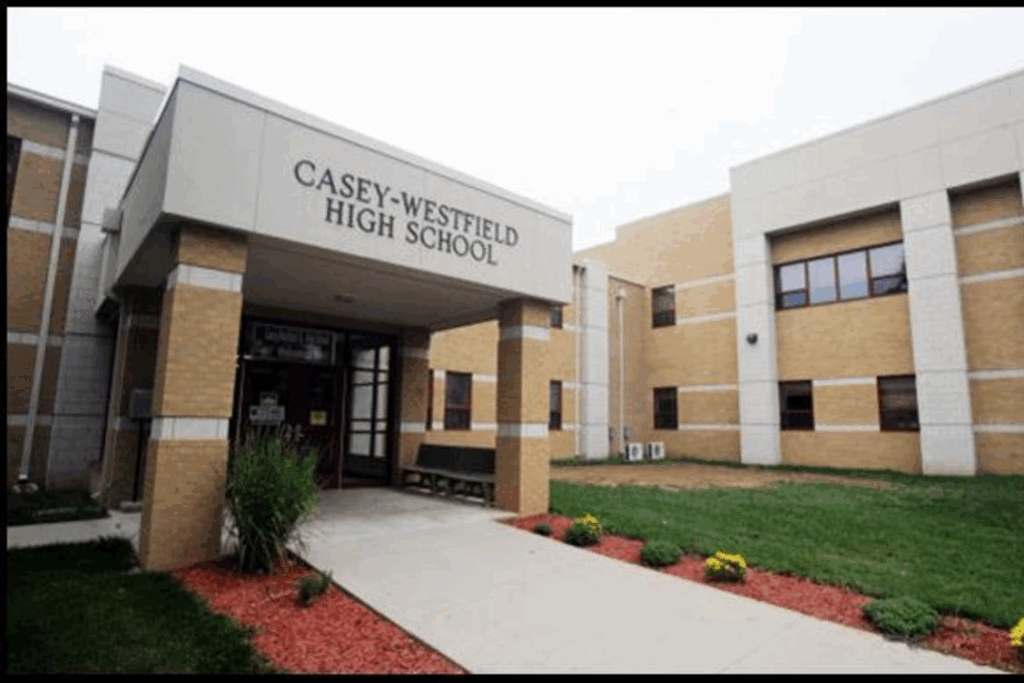
Casey-Westfield Board Faces Impending Statewide Cell Phone Ban, Accelerates High School HVAC Overhaul

Fifth Circuit hands Texas another win on border security law
Illinois Rep faces investigation over sexual harassment
Talks with Iran to resume
Return on investment questioned as Chicago Red Line construction begins

WATCH: WA Democrat income tax supporter questions ‘necessity clause’ nixing public vote

DOJ to face audit for handling of Epstein files release
ISU strike enters third week; union sues over alleged strikebreaking

Trump extends Jones Act waiver, citing national securit

Trump admin continues to crack down on fraudulent visa schemes
Virginia 1 of 4 in courtroom battles for congressional redistricting

Mt. Carmel Offense Explodes Early in 12-4 Rout of Casey-Westfield