

Casey Partners with Land Bank on New Strategies to Tackle Blight, Spur Housing Growth
Article Summary: The Casey City Council is exploring new strategies with the Central Illinois Land Bank Authority to address derelict properties and encourage new home construction. The partnership aims to sell city-owned vacant lots for $1 to qualified developers and use a “clean and lean” legal process to save salvageable homes before they require demolition.
Casey Housing Strategy Key Points:
- Mike Davis, executive director of the Central Illinois Land Bank Authority, presented a two-pronged strategy to the council on Monday, October 6, 2025.
- The first strategy involves the city conveying vacant lots to the land bank, which would then market them for $1 to vetted developers to stimulate new construction.
- The second strategy, a “clean and lean” approach, would use legal action to compel owners of distressed but salvageable properties to make repairs or allow the city to do so and place a lien on the property.
- The goal is to prevent properties from deteriorating to the point of demolition and to expand the city’s housing stock and tax base.
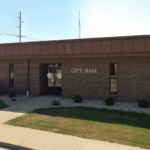
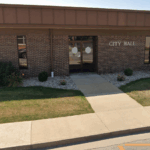
The City of Casey is embarking on a new partnership to combat blight and stimulate housing development, officials discussed during the city council meeting on Monday, October 6, 2025. Mike Davis, executive director of the Central Illinois Land Bank Authority (CILBA), outlined a multi-faceted plan to address the city’s vacant lots and distressed properties.
“The goal is to save what you can because every house we demo, as we’ve seen, is very difficult to get a new house built on,” Davis explained. “If you keep losing homes, it’s just going to keep going down and you have an eroding tax base.”
The first part of the strategy targets the city’s approximately 15 municipally owned vacant lots. Davis proposed the city convey some of its most desirable lots to the land bank. CILBA would then market them for $1 through a request for proposals, scoring applicants based on their qualifications, construction history, and financial stability rather than the highest bid.
“The goal isn’t to make money. It’s about how do you get the properties into the hands of developers that could actually build a house,” Davis said. He added that taking the city out of the direct sale process could attract more developers who might otherwise be hesitant to deal with local government bureaucracy.
The second, more proactive strategy is a “clean and lean” approach for properties that are neglected but not yet beyond repair. Under this plan, the city would identify properties with code violations—such as a failing roof or broken windows—and issue the owner a 15-day notice to make repairs. If the owner fails to act, the city would seek court permission to perform the necessary work, such as replacing a roof for an estimated $15,000, and then place a lien on the property for the cost. If the owner doesn’t pay the lien, the city would foreclose and take ownership, with the goal of selling it to a rehabber.
“This is the proactive [approach]. If you don’t want to demolish buildings, you’d have to take proactive action and go to court to force the owner’s hands,” Davis said. “The goal is to light a fire under people’s behinds and get them replacing the roofs with their own money.”
Council members and City Attorney Tracy Willenborg discussed the legal mechanisms, noting the city already uses nuisance ordinances but that the land bank partnership would add capacity and a more focused strategy.
“The whole reason why you join the land bank is so you would have added capacity to try to get more things done,” Davis stated, positioning his role as a recruiter to find qualified contractors and manage the process, freeing up city staff.
The council appeared supportive of starting with a pilot program. “Maybe we do pick half a dozen of those [lots] and some of the best sellers,” Alderman Tanner Brown suggested. “If we can convey to them, I still think we need to move forward with doing our process of bidding them out and trying to sell them that way too.”
Slight Chance Showers And Thunderstorms then Chance Showers And Thunderstorms
Latest News Stories

WATCH: Trump outlines AI order, calls Pritzker ‘totally unreasonable’

Entrepreneur’s supporters say case law may result in release

GOP lawmakers silent on Trump’s EO punishing state AI guardrails

Gabbard: 2,000 Afghan refugees in U.S. have ties to terrorism

Op-Ed: No more CDL mills: Trump’s DOT puts safety back in the driver’s seat

Illinois Gov. Pritzker signs assisted suicide bill

Hochul weighs AI regulations as Trump sets federal rules

EXCLUSIVE: First Nation police chiefs want to participate in border security efforts
Justice Department sues Fulton County over election records

USPS electric fleet push sparks cost, security and job concerns

WATCH: Use of Guard debated; Trump singles out Pritzker on AI; Property tax ruling

Illinois quick hits: Chicago Fed president explains vote; Treasurer encourages Bright Start gifts

EXCLUSIVE: Canadian groups, First Nation police support stronger border security

More than 9,500 commercial truckers taken off U.S. roads nationwide