Illinois gas price drop sparks mileage tax talk, road fund healthy
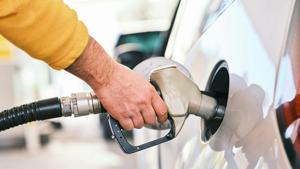
(The Center Square) – As gas prices fall across Illinois, state and local governments may see a decrease in revenue from fuel and sales taxes, though experts say the effect on overall state finances is limited.
According to GasBuddy, local prices in some areas of Illinois have dropped to as low as $2.99 per gallon.
Despite these declines, Illinois Policy Institute analyst Dylan Sharkey said the impact on state revenue is minimal.
“Road fund revenue in Illinois is not an issue. The state regularly brings in more than it spends in terms of the road fund,” said Sharkey. “Illinoisans see it every year, on July 1st, they noticed their gas taxes go up automatically.”
Sharkey noted that Illinois doubled its gas tax in 2019, and state lawmakers maintain substantial reserves, currently around $3 billion, while continuing to discuss additional revenue measures.
“In state taxes alone, Illinoisans pay about $0.48 a gallon in taxes. We’re the second highest in the nation, behind only California, so motorists are paying plenty when it comes to transportation costs in Illinois,” said Sharkey.
Sharkey explained that falling gas prices could give lawmakers a reason to revisit a mileage tax, a proposal that has been discussed in Illinois for the past several years.
“A lot of the concerns from lawmakers focus on the rise of electric vehicles and the claim that they aren’t paying their fair share for road maintenance, which isn’t true,” said Sharkey. “Electric vehicles pay higher registration fees each year, including an annual EV fee, so the idea that they aren’t contributing to the road fund is simply incorrect.”
Sharkey suggested that attracting more drivers to Illinois could naturally increase revenue, but the state faces net outmigration, which reduces the number of drivers on the roads.
“That would create more revenue because you’d have more drivers and more people buying cars here,” said Sharkey. “If you make Illinois a more attractive state to move to, that would solve the issue on its own. But Illinois has the opposite problem. Because of net outmigration, we have fewer drivers on the same roads. So, of course, they’re going to say there’s an issue because you’re losing drivers to other states.”
The Chicago Transit Authority is facing a fiscal crisis, with a significant budget shortfall projected for 2026 as federal COVID-19 relief funds expire. Some studies suggest that lower gas prices can lead to decreased public transit ridership.
“The road fund can be used for any transportation expenses, so trains and buses are included in that $3 billion they could spend, Sharkey noted. “They should use the money they already have before asking for more.”





Showers And Thunderstorms
Latest News Stories
Jan. 6 panel cost twice previous estimates, hiring TV producers to dramatize attack

Road Warriors: Casey-Westfield Overwhelms Nokomis 48-14 to Rumble into IHSA Elite 8

Lady Warriors’ Season Ends in Hard-Fought Regional Championship Loss to ALAH

Illinois quick hits: Illinois House members vote along party lines; More than 40% of CPS teachers missed 10 or more school days; State Treasurer says Bright Start earns gold
Residents Voice Solar Project Concerns; Clark County Board to Seek Expert for Ordinance Review

WATCH: Longest-ever government shutdown ends after 43 days

Glock: Judge’s OK of Chicago’s anti-gun lawsuit questionable, at best

Trump admin cracking down on cartel tunnels at southwest border
Clark County Audit Reveals Strong Financials, $20M in Expenditures for FY 2024

Illinois quick hits: DHS responds to migrant release order

As Trump considers rolling back some tariffs, trade groups want in
New Mexico attempts to counter Trump’s deportation agenda