
Senate to vote on bill authorizing $925 billion for military, national security
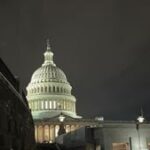
The National Defense Authorization Act for Fiscal Year 2026, a $925 billion bill setting funding levels for America’s national defense spending, has finally hit the Senate floor.
The legislation authorizes roughly $879 billion for the Pentagon and about $35 billion for national security programs in the Department of Energy. It also sets aside nearly $11 billion for other defense activities.
“We’re ready to show on both sides of the aisle that the Senate can act in the interest of national security and get something done on a bipartisan basis,” Senate Armed Services Committee Chairman Roger Wicker, R-Miss., told lawmakers Thursday.
“We have a great product before us,” Wicker added. “It makes huge changes, significant changes, and we need to send the signal that we can do this, get it then coordinated with the House version, which has already been passed, and move it to the President of the United States for his early signature.”
Multiple new offices, groups, and positions within the DOD would be established under the bill, including those focused on cybersecurity; nuclear security, deterrence, and energy; and AI innovation and oversight.
Hundreds of billions of dollars for munitions stocking and defense infrastructure are included, as well as billions for American defense activities in the Indo-Pacific, Europe, and the Middle East.
The bill also includes significant accountability reforms to how the DOD contracts with third parties and how it fulfills statutory reporting requirements. Additionally, it requires the Pentagon, which has failed seven consecutive audits, to report on current audit progress as the 2028 statutory deadline approaches.
Military members would receive a 3.8% pay raise, and education services for their children would receive a $50 million boost.
Senators will begin voting on dozens of amendments to the 1,454-page bill Thursday evening. Given the current government shutdown, lawmakers may have to delay a vote on passage. Once the bill passes, the Senate must conference with the House to ensure the lower chamber’s version of the NDAA matches their own.





Partly Sunny
Latest News Stories

Federal courts limit operations as funding lapse continues

Lake Land College Extends President Bullock’s Contract to 2028, Sets New Strategic Goals

Clark County 4-H Foundation Announces Scholarship Opportunities
US Army, contractors constructing miles of border wall barriers in Arizona
Illinois ranks in lower half in new ‘Safest States’ poll

WATCH: Hegseth announces another boat strike as tensions build

WATCH: Trump responds to ‘No Kings’ protests; Pritzker criticizes SNAP, trade policies

Poll: Kamala Harris still Democratic favorite for 2028

New York Dems seek to withhold federal taxes over funding cuts

Congressional Conflicts: Stock ban pits affluent, super rich

Supreme Court to consider drug user gun possession case

Illinois quick hits: Davis Gates selected to lead IFT; new veterans facilities in Quincy