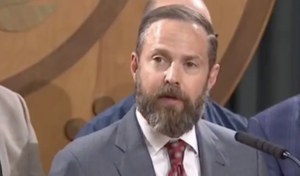

MIT rejects White House education demands
The Massachusetts Institute of Technology refused to sign the White House agreement that would grant federal funds linked to the administration’s demands.
The Trump administration proposed a “Compact for Academic Excellence in Higher Education” to nine universities. The agreement offers special access to federal funding in exchange for commitments to eliminate racial discrimination in admissions and freeze tuition rates for the next five years, among other things.
The nine universities include: Brown University, the University of Pennsylvania, Dartmouth College, the Massachusetts Institute of Technology, Vanderbilt University, the University of Southern California, the University of Texas at Austin, the University of Virginia and the University of Arizona.
The compact states the universities are not required to sign the document, but would lose federal grants if they didn’t.
MIT is the first university to refuse the demands. In a letter to the Education Secretary Linda McMahon, MIT President Sally Kornbluth announced the decision.
“In our view, America’s leadership in science and innovation depends on independent thinking and open competition for excellence,” Kornbluth said. “In that free marketplace of ideas, the people of MIT gladly compete with the very best, without preferences. Therefore, with respect, we cannot support the proposed approach to addressing the issues facing higher education.”
MIT will continue to support freedom of expression, the MIT president added.
“We must hear facts and opinions we don’t like — and engage respectfully with those with whom we disagree,” Kornbluth wrote.
The American Association of University Professors is urging colleges to reject the proposed compact. Ariel White, vice president of MIT’s AAUP chapter, emphasized that universities should follow MIT’s lead and refuse to sign.
“The goal is to leave universities powerless and at the whim of the federal government and of the president personally and to make sure that universities cannot provide any sort of opposition to or simple disagreement with this administration,” White said. “Even if some individual parts of this deal sound OK to you now, you should not sign because it will not end there.”
Events

Latest News Stories

Trump takes aim at Chicago crime, no-cash bail while singling out Pritzker
Burrows: Only thing standing in the way of disaster relief are missing Democrats
Trump confirms Nvidia chip agreement

Doran Coins Celebrates Grand Opening with Ribbon Cutting

States challenge federal report promoting coal plants
U.S. Supreme Court could rule on Texas lawsuits brought in Democratic-led state courts

WATCH: Illinois In Focus Daily | Monday Aug. 11th, 2025

Illinois quick hits: Judge denies Madigan’s motion; legislator urges action on DCFS interns

About Us

Everyday Economics: CPI takes center stage as tariff-driven price pressures mount

100 Women Who Care donates $4,800 to Casey Township Library

Net negative migration is harmful to the economy, economists say