MIT rejects White House education demands
The Massachusetts Institute of Technology refused to sign the White House agreement that would grant federal funds linked to the administration’s demands.
The Trump administration proposed a “Compact for Academic Excellence in Higher Education” to nine universities. The agreement offers special access to federal funding in exchange for commitments to eliminate racial discrimination in admissions and freeze tuition rates for the next five years, among other things.
The nine universities include: Brown University, the University of Pennsylvania, Dartmouth College, the Massachusetts Institute of Technology, Vanderbilt University, the University of Southern California, the University of Texas at Austin, the University of Virginia and the University of Arizona.
The compact states the universities are not required to sign the document, but would lose federal grants if they didn’t.
MIT is the first university to refuse the demands. In a letter to the Education Secretary Linda McMahon, MIT President Sally Kornbluth announced the decision.
“In our view, America’s leadership in science and innovation depends on independent thinking and open competition for excellence,” Kornbluth said. “In that free marketplace of ideas, the people of MIT gladly compete with the very best, without preferences. Therefore, with respect, we cannot support the proposed approach to addressing the issues facing higher education.”
MIT will continue to support freedom of expression, the MIT president added.
“We must hear facts and opinions we don’t like — and engage respectfully with those with whom we disagree,” Kornbluth wrote.
The American Association of University Professors is urging colleges to reject the proposed compact. Ariel White, vice president of MIT’s AAUP chapter, emphasized that universities should follow MIT’s lead and refuse to sign.
“The goal is to leave universities powerless and at the whim of the federal government and of the president personally and to make sure that universities cannot provide any sort of opposition to or simple disagreement with this administration,” White said. “Even if some individual parts of this deal sound OK to you now, you should not sign because it will not end there.”
Events

Latest News Stories
Report: Congress authorized $15 trillion in ’emergency’ deficit spending since 1991
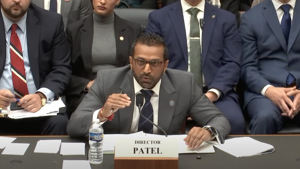
House Dems press Patel on handling of the Epstein files

Illinois quick hits: Suspect in custody after state senator’s home struck with gunfire

WATCH: Governor candidate: Low-cost districts shine while most IL schools spend, fail
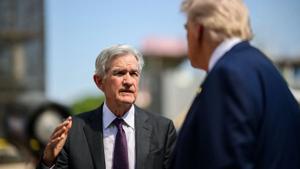
Fed cuts rates after holding off for months amid tariff turmoil
WATCH: Pritzker threatens executive action regulating hemp if legislature won’t act

Exclusive: Laws exacerbate firearm instructors shortage
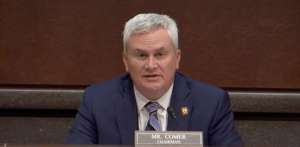
House committee to examine possible link between ‘radicalization,’ social media apps
WATCH: Illinois congresswoman OK withholding federal tax funds to change state policy
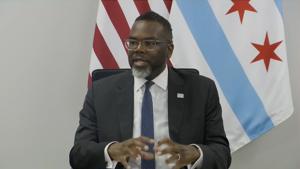
Chicago mayor: ‘We do not have a spending problem’ as spending, deficit grows

WATCH: Trump calls Pritzker ’nothing’ in public safety push; U.S. Rep. Mary Miller live

Illinois quick hits: Three dead outside Berwyn school; steady economic conditions reported