Massachusetts university visa program under threat of H-1B fee
Certain H-1B visa programs across the country could be under threat as the Trump administration cracks down on the program with a new $100,000 fee.
On Sept. 19, President Donald Trump signed a proclamation imposing a one-time, $100,000 fee against employers filing for new H-1B applications. H-1B visas are reserved for high-skilled immigrant workers with a bachelor’s degree at a minimum.
Some of the top employers for H-1B petitions in 2025 include Amazon, Apple and Meta, according to data from the U.S. Citizenship and Immigration Services.
However, Anna Gorisch, founder and managing partner of Kendall Immigration Law, said hospitals and research centers across the country also rely on H-1B visas.
“My fear is that this fee is going to end up impacting access to medical care,” Gorisch said.
The government imposes a cap on the visa program of 65,000 each year and allows an additional 20,000 visas for immigrants with advanced degrees. Some immigration advocates and employers said this cap is often restrictive to hiring practices.
The visa cap does not apply to most hospitals and educational or research institutions. Gorisch said many of these institutions benefit from not being subject to a cap, allowing them to hire as many employees as they need and not have to compete with other companies.
“When you’re dealing, especially with state universities, they don’t have endless budgets,” Gorisch said. “It’s a huge expenditure for an academic medical institution.”
In fiscal year 2025, USCIS approved 383 H-1B visas for employees at the University of Michigan and 366 employees at Mayo Clinic.
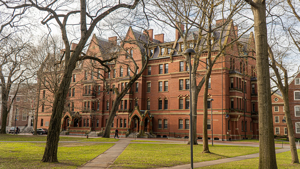
In 2014, the Massachusetts legislature utilized the cap exemption for some institutions to develop and fund a pilot program that allowed immigrant entrepreneurs to work in the United States.
The Global Entrepreneur in Residence pilot program allowed immigrant entrepreneurs to be sponsored by an institution to work part time in the country as they built up their businesses.
The Global Entrepreneur in Residence pilot program launched at the University of Massachusetts Boston and the University of Massachusetts Lowell. It appropriated state funds for the program through the Massachusetts Technology Collaborative.
Greg Bialecki, the former Massachusetts secretary of housing and economic development, said the program is intended for foreign students who want to stay in the United States after graduating.
In the program’s initial rollout, school administrators praised the legislature’s move.
“To educate a huge number of foreign students and then send them all away seems like a huge waste,” said Julie Chen, chancellor of UMass Lowell.
The program ballooned in popularity after it was first introduced in Massachusetts and it expanded to other universities in the state and other at universities in Colorado, Michigan and Alaska.
However, Gorisch said these programs could be under threat by the $100,000 fee. She said the fee will most negatively affect medically underserved areas.
“I’ve spoken to at least one Indian immigrant recently who’s a cardiologist and he’s the only guy within a three hundred mile radius who is a cardiologist,” Gorisch said.
On Oct. 3, a group of unions including healthcare workers and staffing agencies filed a lawsuit against the Trump administration over its fee imposition.
“The government failed to consider harms to hospitals, churches, schools and universities, and small businesses and non-profits, or how the fee will harm communities across the nation,” the unions wrote in the lawsuit.
The case is scheduled to be heard in January 2026.






Sunny
Latest News Stories

Costco faces lawsuit as consumers seek refunds from invalid tariffs

Insurer won’t back Gori defense vs asbestos lawsuit fraud claims

With teachers union support, committee approves charter school mandates

Allstate can’t delete class action over alleged secret app tracking

Chicago voters view housing affordability as bigger issue than crime

New Illinois gun bill aims at glock switches; critics say it misses the real problem

Illinois quick hits: Cook County spends nearly $20 million on food, housing services; Chicago Teachers Union tells teachers, students to skip school; Russell Dickerson to play Du Quoin State Fair

Meeting Summary and Briefs: Casey-Westfield School Board for Feb. 23, 2026

Illinois quick hits: Services Saturday for teen killed by line drive
Critics concerned seizure detection bill impacts Illinois’ small businesses

CTA security enhancement plan follows federal push, complaints

Lawyers who specialize in suing Chicago cops seek special prosecutor to go after ICE
IL Labor Relations Board director: Rideshare unionization bill could double budget
Meeting Summary and Briefs: Casey City Council for March 2, 2026