
U.S. Chamber of Commerce sues Trump over H-1B visa fee
The U.S. Chamber of Commerce, one of the world’s largest business federations, filed a lawsuit against the Trump administration on Thursday over its proposed $100,000 H-1B visa fee.
On Sept. 19, President Donald Trump issued a proclamation imposing a one-time, $100,000 fee on new H-1B applications. The administration cited wage suppression and lack of jobs for American workers in its proclamation.
H-1B visas are typically issued to high=skilled foreign workers with bachelor’s degrees at minimum. Foreign workers are typically employed in technology, engineering and science fields. Amazon, Meta and Apple are among the top employers petitioning for H-1B workers in 2025.
Congress sets a cap of 65,000 H-1B visas per year but allows up to 85,000 for individuals with advanced degrees.
“If implemented, that fee would inflict significant harm on American businesses, which would be forced to either dramatically increase their labor costs or hire fewer highly skilled employees for whom domestic replacements are not readily available,” the chamber said in its court filing.
The chamber said competing countries could take advantage of fewer foreign workers being recruited in the United States due to the new visa fee.
China recently launched its new visa program, the K visa, to recruit workers in science, technology and engineering fields.
The visa is designed “to promote exchanges and cooperation between young science and technology talents from China and other countries,” said Guo Jiakun, Chinese foreign ministry spokesperson.
The chamber said imposing the fee goes beyond the president’s authority to issue rules related to immigration. The lawsuit cited the Immigration and Nationality Act, which gives Congress the authority to set fees for immigrant visas.
The business federation also argued the administration’s fee is unlawful by itself.
The lawsuit said allowing the fee to be implemented would give “the President blanket authority to create completely different classifications, rules, and procedures, and deny ‘entry’ to any noncitizen who did not comply with them.”
On Oct. 3 a coalition of unions also filed a lawsuit against the Trump administration’s H-1B fees in California.
“Most fundamentally, the President has no authority to unilaterally impose fees, taxes or other mechanisms to generate revenue for the United States, nor to dictate how those funds are spent,” the lawsuit reads.
The unions also argue imposing a fee on new petitions will harm hospitals, churches, schools and universities, on the basis that the law will lead to a workforce shortage in critical industries.
The U.S Chamber of Commerce filed its lawsuit in the district court of the District of Columbia.
“It blatantly contravenes the fees Congress has set for the H-1B program and countermands Congress’s judgment that the program should provide a pathway for up to 85,000 people annually to contribute their talents to the United States for the betterment of American society,” the lawsuit reads.




Chance Showers And Thunderstorms
Latest News Stories
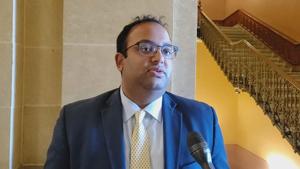
IL Labor Relations Board director: Rideshare unionization bill could double budget

Meeting Summary and Briefs: Casey City Council for March 2, 2026
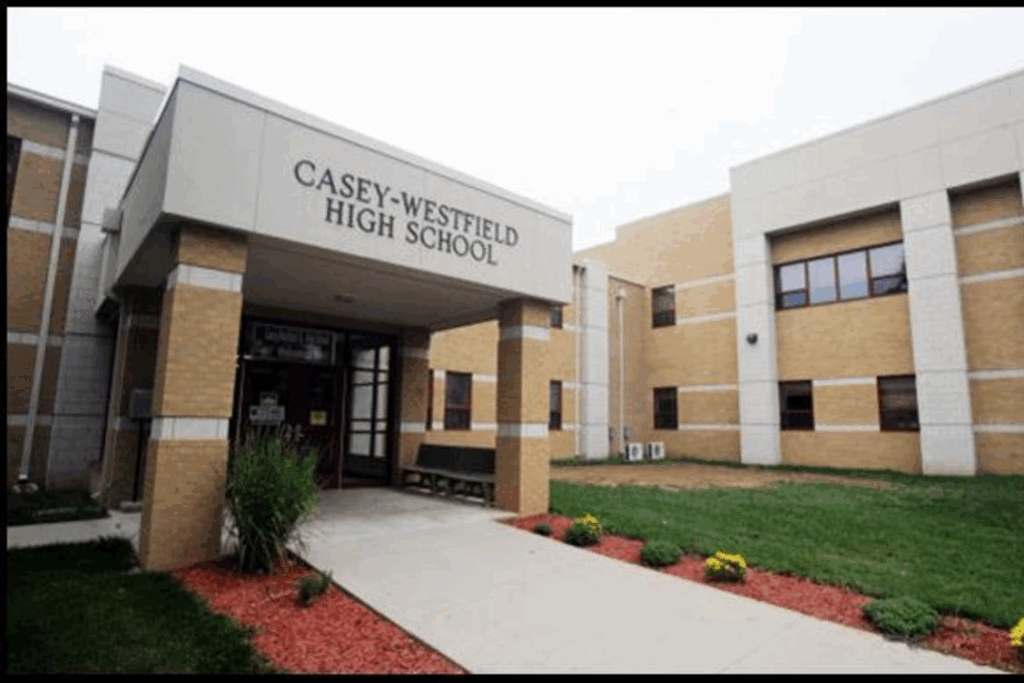
Science Students Test Physics with Marble Runs and Paper Boats

Meeting Summary and Briefs: Clark County Board for Jan. 16, 2026
Fiber Internet Expansion Brings Construction Oversight Concerns

Students Excel in Academic Contests and “Soup-er Bowl” Drive

County Website Redesign and Highway Projects Discussed
Council Approves Renaming Street “Jim Bolin’s Way”
Monroe Elementary Launches Mentorship Program and Honors Late Teacher
Staffing Deficiencies Force Ambulance Service to Decline 115 Transfers

City Partners with School District for Resource Officer

Superintendent Warns of Transportation Funding Shortfall Despite State Budget Proposal