
Supreme Court to consider drug user gun possession case
The U.S. Supreme Court agreed on Monday to hear a case regarding whether regular drug users can possess firearms.
The case, United States v. Hemani, challenges whether federal statutes barring a person who “is an unlawful user of or addicted to any controlled substance” violates the Second Amendment.
The case centers on a Texas man who was charged with a felony when FBI agents found a pistol, marijuana and cocaine in his home after obtaining a search warrant, a petition to the court read.
The Trump administration petitioned the high court to hear the case after a lower court struck down the law barring people who use drugs such as marijuana from possessing firearms.
The Trump administration argued that regular drug users can simply stop their use to regain access to firearms under the law.
“By disqualifying only habitual users of illegal drugs from possessing firearms, the statute imposes a limited, inherently temporary restriction—one which the individual can remove at any time simply by ceasing his unlawful drug use,” the Trump administration’s petition reads.






Partly Sunny
Latest News Stories
Appeals court: IT firm can’t make insurer foot bill for $28M face scan deal

Illinois soybean farmers face uncertainty amid MAHA push against seed oils

Illinois quick hits: Pritzker to sign tax, toll increases to bail out transit

IL Senate approves Department of Corrections director despite fierce opposition
Report: PJM power grid electrification faces bumpy transition

Early morning vote advances Illinois’ ‘Terminally Ill Patients Act,’ sparks outcry

Indiana state police working with ICE at Illinois border to secure interstates

WATCH: IL lawmakers pass consequential bills early Halloween
Meeting Summary and Briefs: Lake Land College Board of Trustees for September 2025

Volunteer Shortage Cancels Library’s Parade Entry; Full Slate of October Events Planned
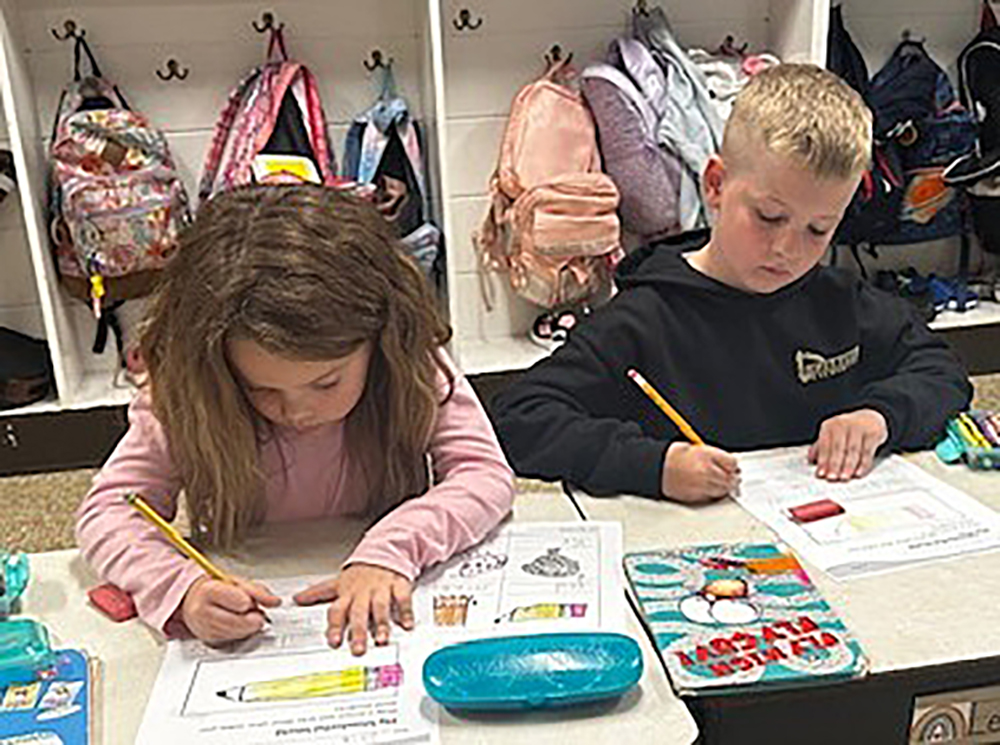
Building Blocks of Literacy: First Graders Master Reading and Writing
WA Dems blame GOP for government shutdown; 1 million in state could lose SNAP benefits