Supreme Court to consider drug user gun possession case
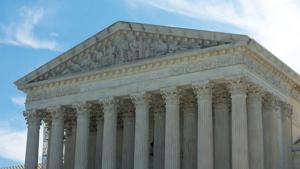
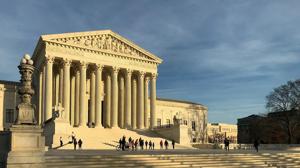
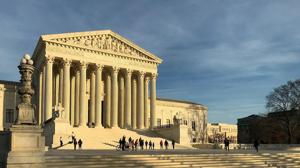
The U.S. Supreme Court agreed on Monday to hear a case regarding whether regular drug users can possess firearms.
The case, United States v. Hemani, challenges whether federal statutes barring a person who “is an unlawful user of or addicted to any controlled substance” violates the Second Amendment.
The case centers on a Texas man who was charged with a felony when FBI agents found a pistol, marijuana and cocaine in his home after obtaining a search warrant, a petition to the court read.
The Trump administration petitioned the high court to hear the case after a lower court struck down the law barring people who use drugs such as marijuana from possessing firearms.
The Trump administration argued that regular drug users can simply stop their use to regain access to firearms under the law.
“By disqualifying only habitual users of illegal drugs from possessing firearms, the statute imposes a limited, inherently temporary restriction—one which the individual can remove at any time simply by ceasing his unlawful drug use,” the Trump administration’s petition reads.



Sunny
Latest News Stories

Energy affordability report ranks Illinois 31st, warns of ‘burdensome’ mandates
Illinois voices weigh in on birthright citizenship case

U.S. rep.: Mexico still not delivering water to South Texas, despite claims

Supporters say will storage option would streamline judicial process

Dallas Fed: Geopolitical conflicts creating uncertainty for U.S. oil and gas industry
Illinois Quick Hits: Pritzker pushes for E15

Clark County Ambulance Service Faces Critical Level Zero Instances Amid Medicaid Collection Issues
Trump addresses nation on Iran strikes; signals conflict nearing end

IL biometrics privacy reforms apply to past cases, too: Appeals court

Artemis II heads to the moon with first crewed mission since 1972
Pro-life org to Trump: Taxpayers should not be forced to fund killing of unborn children
Birthright citizenship advocates confident in SCOTUS hearing

College funding bill draws dissent from big Illinois universities