API now opposes year-round E15 sales, citing shifting, unstable environment for refiners
The American Petroleum Institute (API) said Tuesday it now opposes legislation that would allow year-round sales of E15 gasoline, citing dramatic changes in market conditions that have led to a substantially different operating environment for the refiners and fuel blenders now producing gasoline in the United States.
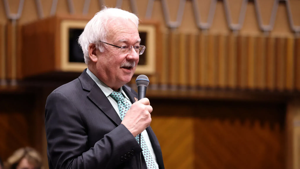
In a letter sent to congressional leaders that was also provided to The Center Square, API President Mike Sommers said legislative, regulatory, and market developments since the time the Nationwide Consumer and Fuel Retailer Choice Act of 2025 was introduced in February has led the 600-member organization to reassess its position and, ultimately, oppose advancement of the legislation in its current form.
Co-sponsored by 16 mostly farm-state senators, the Fuel Retailer Choice Act would amend the Clean Air Act to increase the ethanol allowed in regular gasoline to 15% year-round, now at 10% for part of the year.
API stands ready to work with Congress to develop a balanced approach to E15 legislation that promotes fuel choice, supports investment certainty, and contributes to a stable and fair marketplace for American consumers, said Sommers.
“Refiners are now navigating shifting federal compliance structures, a patchwork of state mandates, and a biofuels marketplace that is uncertain,” Sommers said in the letter sent to congressional leaders.
The legislation was introduced in response to eight Midwestern states that petitioned the Environmental Protection Agency to opt out of a summertime volatility waiver for E10, effectively requiring that their states be supplied E!5, a gasoline blend that could not be sold elsewhere during the summer months, said Sommers.
“To comply with the requests by these states, API member companies invested in new infrastructure and refinery operations to produce boutique, regional fuel blends necessary to meet those state-specific mandates,” Sommers said. But after the fuels were refined to produce E15 and delivered to the region in April, seven states asked to be exempt from their original requests, Sommers said.
“Mere days before these fuels were required at the terminal, EPA issued ‘emergency’ waivers that effectively negated the states’ original opt-out requests, turning these investments into sunk costs and creating unnecessary financial and operational harm to refiners,” said the API President.
Further complicating efforts by refiners to comply with federal requirements on gasoline blending, the Big Beautiful Bill signed by President Donald Trump on July 4 changed rules governing Section 45Z Clean Fuel Production Tax Credits, said Sommers. Tax credits were eliminated on feedstocks imported from countries with lower carbon intensity profiles, such as Brazil, noted Sommers.
“Because there is insufficient domestic feedstock to supply the available U.S. biofuel production capacity, foreign feedstocks will still be needed to ensure that U.S. production facilities can viably operate,” Sommers said.
The 16 co-sponsors of Fuel Retailer Choice Act of 2025 include two senators each from Illinois, Iowa, Kansas, Michigan, Minnesota, South Dakota and West Virginia, while one each is from Arizona, Mississippi, Nebraska, North Dakota, and Wisconsin.




Isolated Rain Showers
Latest News Stories

State Police address FOID, cyber security audit findings

Poll: Trump demonstrates stronger cognitive, communication skills compared to Biden

Illinois Quick Hits: Red Line funds ordered to be unfrozen

EXCLUSIVE: 5 years in, Operation Lone Star seizes 870 million lethal doses of fentanyl
Proposal to decrease reliance on paper documents passes House

Late Sixth-Inning Surge Lifts Casey-Westfield Baseball Past Altamont 4-1

Monroe Elementary Reading Initiatives Raise $13,000 as Students Log Nearly 91,000 Minutes

Gilbert Drives in Five as Casey-Westfield Outslugs Windsor/Stewardson-Strasburg 11-7
Meeting Summary and Briefs: Marshall C.U.S.D. C-2 Board of Education for March 12, 2026

Chicago can’t ditch airlines’ suit vs ‘disruptive’ paid sick leave rules

FEMA says funding debate didn’t affect response to Hawaii

Maryland Supreme Court tosses Blue cities’ climate lawsuits against energy companies