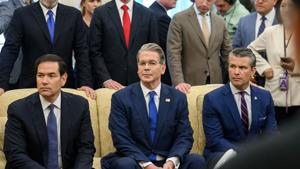
Treasury sanctions Russian oil companies, calls for ceasefire
The U.S. Treasury Department announced sanctions against two Russian oil companies on Wednesday.
The department cited Russia’s “lack of serious commitment” to ending the war in Ukraine, according to a news release.
“Now is the time to stop the killing and for an immediate ceasefire,” Treasury Secretary Scott Bessent said. “Treasury is prepared to take further action if necessary to support President Trump’s efforts to end yet another war.”
The U.S. is targeting Open Joint Stock Company Rosneft Oil Company and Lukoil OAO in its sanction efforts, as well as 34 subsidiaries of the two oil companies.
The sanctions prohibit transactions for individuals or organizations within the United States between the Russian oil companies or their subsidiaries.
Over the summer, Trump levied tariffs against India, a Russian ally, over the nation’s purchase of Russian energy and oil. Trump cited the war in Ukraine as his reason for targeting India.
“The ultimate goal of sanctions is not to punish but to bring about a positive change in behavior,” the Treasury Department press release reads.





Partly Sunny
Latest News Stories

SEC chairman returns ”first principles’ to public markets, supports Texas exchange
Complaint filed against AMA Foundation for racially discriminatory scholarships

Democrats vow to hold Bondi in contempt for refusing Epstein deposition

Commonwealth LNG signs supply deals with five major buyers

Lawmakers hear debate over data centers including revenue, headaches
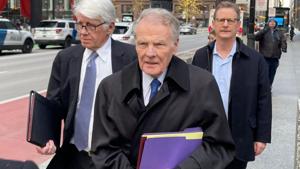
Illinois quick hits: Madigan corruption appeal to begin Thursday; Attorney General asks lawmakers for additional $15 million;
Deficit watchdog urges Congress to cut more, spend less than Trump’s budget request

Lawmaker pushes sales tax pause on gas as questions cloud ‘fragile’ ceasefire

Groups warn Middle East truce may not ease economic fallout
National ratings outlet says Pennsylvania has most ‘toss up’ midterm races

Regulator: LNG expansion likely to affect rare marsh bird

Court showdown over Trump’s tariffs could reshape U.S. trade policy