
Americans on Social Security will see 2.8% benefits boost next year
More than 70 million Americans receiving Social Security benefits will see a 2.8% cost-of-living adjustment beginning Jan. 2026.
The Social Security Administration made the announcement following the release of Consumer Price Index inflation data, which showed that inflation rose at an annual rate of 3% in September.
“Social Security is a promise kept, and the annual cost-of-living adjustment is one way we are working to make sure benefits reflect today’s economic realities and continue to provide a foundation of security,” SSA Commissioner Frank Bisignano said Friday. “The cost-of-living adjustment is a vital part of how Social Security delivers on its mission.”
According to SSA numbers, the COLA increase has averaged around 3.1% over the last ten years.
Meanwhile, experts across the political spectrum have been warning about the upcoming depletion of the Social Security trust fund, now projected to happen as soon as 2032. Once insolvency occurs, recipients could see a benefit cut as high as 24%, reversing over a decade’s worth of COLA increases.
Congress is in no position to unilaterally boost benefits, with the U.S. national debt topping $38 trillion in the past week, only months after reaching $37 trillion.
According to the Cato Institute, a median wage earner making $60,000 annually would need to pay an extra $2,600 in taxes yearly for Social Security at its current benefit levels to remain solvent in the near future.
Fiscal watchdogs and politicians alike have batted around ideas on how to extend Social Security’s solvency, such as privatizing the 90-year-old program or lifting the payroll tax cap.
The Social Security payroll tax will remain unchanged in 2026, according to the COLA report.
The Committee for a Responsible Budget, which commented on the 2026 COLA, suggests lawmakers adopt a COLA cap limiting the size of the annual benefits adjustment for the highest-income earners.
Depending on which income percentile of retirees is used as the cutoff point, a COLA cap could close anywhere from one-twentieth to one-quarter of Social Security’s solvency gap.
“Under this cap, beneficiaries would continue to receive a COLA, but the very highest earners would get the same COLA as the pretty high earners,” Matt Klucher, assistant director of CRFB media relations, stated. “This wouldn’t restore solvency on its own, but it would help a lot.”
Events

Latest News Stories
Lake Land College Board Approves 3% Pay Raises, New Salary Structure for Staff

Lake Land College Backs 12-Year Extension for Mattoon’s Midtown TIF District

Lake Land College Celebrates Grand Opening of New Effingham Technology Center

EIU Leads OVC With 48 Academic Medal Of Honor Winners
Suncode Energy Pitches Six-Part Community Solar Project Near Martinsville
Meeting Briefs: Clark County Public Hearing for June 10, 2025
Clark County Residents Challenge Solar Developers on Farmland, Finances, and Future

Schelsky Wins 75th Casey Open in Playoff Thriller

Casey-Westfield Meeting Summary: Board Saves on Insurance, Approves Major Purchases
Casey-Westfield School Board Adopts Amended Budget, Locks in Fuel Prices
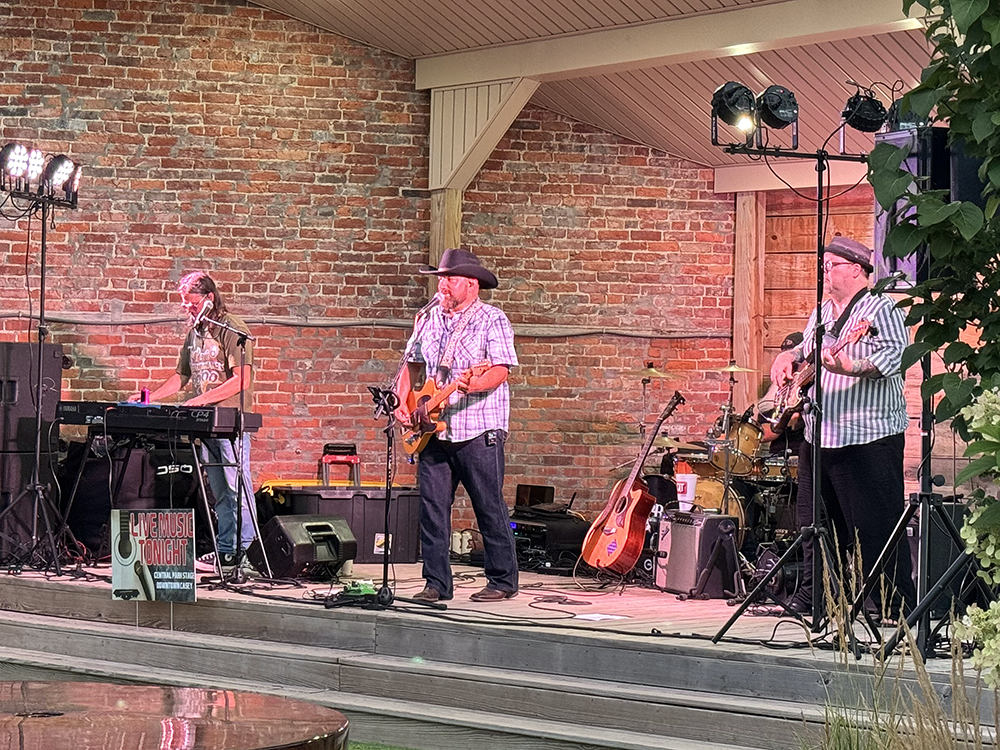
Matt Poss Band Delights Crowd in Casey’s Central Park

Mary Elizabeth “Betty” (Mills) Boyd Hippler