
Americans on Social Security will see 2.8% benefits boost next year
More than 70 million Americans receiving Social Security benefits will see a 2.8% cost-of-living adjustment beginning Jan. 2026.
The Social Security Administration made the announcement following the release of Consumer Price Index inflation data, which showed that inflation rose at an annual rate of 3% in September.
“Social Security is a promise kept, and the annual cost-of-living adjustment is one way we are working to make sure benefits reflect today’s economic realities and continue to provide a foundation of security,” SSA Commissioner Frank Bisignano said Friday. “The cost-of-living adjustment is a vital part of how Social Security delivers on its mission.”
According to SSA numbers, the COLA increase has averaged around 3.1% over the last ten years.
Meanwhile, experts across the political spectrum have been warning about the upcoming depletion of the Social Security trust fund, now projected to happen as soon as 2032. Once insolvency occurs, recipients could see a benefit cut as high as 24%, reversing over a decade’s worth of COLA increases.
Congress is in no position to unilaterally boost benefits, with the U.S. national debt topping $38 trillion in the past week, only months after reaching $37 trillion.
According to the Cato Institute, a median wage earner making $60,000 annually would need to pay an extra $2,600 in taxes yearly for Social Security at its current benefit levels to remain solvent in the near future.
Fiscal watchdogs and politicians alike have batted around ideas on how to extend Social Security’s solvency, such as privatizing the 90-year-old program or lifting the payroll tax cap.
The Social Security payroll tax will remain unchanged in 2026, according to the COLA report.
The Committee for a Responsible Budget, which commented on the 2026 COLA, suggests lawmakers adopt a COLA cap limiting the size of the annual benefits adjustment for the highest-income earners.
Depending on which income percentile of retirees is used as the cutoff point, a COLA cap could close anywhere from one-twentieth to one-quarter of Social Security’s solvency gap.
“Under this cap, beneficiaries would continue to receive a COLA, but the very highest earners would get the same COLA as the pretty high earners,” Matt Klucher, assistant director of CRFB media relations, stated. “This wouldn’t restore solvency on its own, but it would help a lot.”






Mostly Sunny
Latest News Stories

Universities warn state funding delays are wasting millions in taxpayer investment

Illinois Quick Hits: Loyola student’s alleged killer faces federal firearm charge
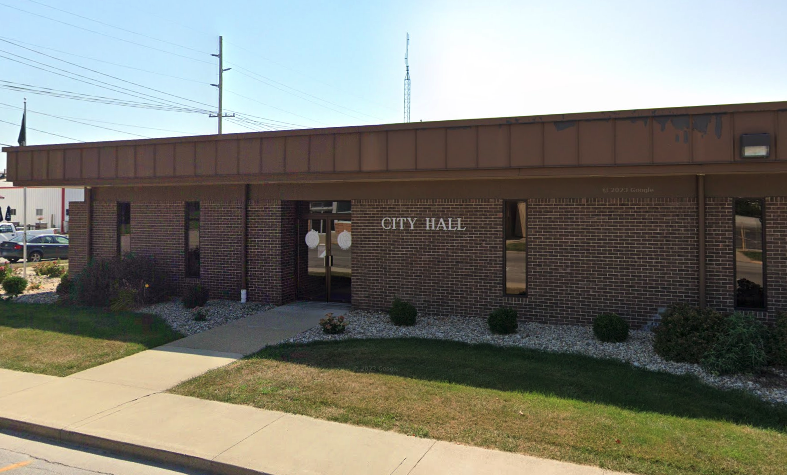
Casey City Council Approves $91,500 Investment for New Emergency Sirens

Goble’s Dominant Relief Stint Sparks Casey-Westfield to 12-0 Shutout Win

Report: Coordinated resilience infrastructure is needed in age of AI

U.S., NATO alliance on the line as Trump set to meet with Rutte

BREAKING: Trump fires Bondi, Blanche to lead DOJ

States sue Trump administration over rollback of some air pollution regulations

Energy affordability report ranks Illinois 31st, warns of ‘burdensome’ mandates

Illinois voices weigh in on birthright citizenship case

U.S. rep.: Mexico still not delivering water to South Texas, despite claims

Supporters say will storage option would streamline judicial process

Dallas Fed: Geopolitical conflicts creating uncertainty for U.S. oil and gas industry

Illinois Quick Hits: Pritzker pushes for E15