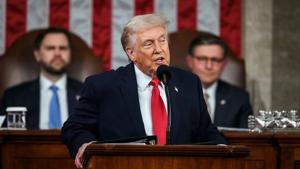
Better-than-expected inflation report generates cut predictions
Investors are predicting another rate cut at the Federal Reserve’s meeting next week after a better-than-expected inflation report Friday, while stocks reached new highs.
Inflation rose 0.3% last month, making for an inflation rate of 3% over the last year. Both rates were lower than expected, beating predictions of 0.4% and 3.1%.
“Since today’s reading was close to expectations, it likely won’t change the Fed’s plan to continue cutting interest rates at its next two meetings,” said Ryan Young, senior economist at the Competitive Enterprise Institute, in a statement to The Center Square.
Federal Reserve Chair Jerome Powell spoke in August about wanting to balance concerns about inflation with the problem of a sluggish job market. But he also indicated then that, despite inflation being higher than the Fed’s target rate of 2%, the central bank was leaning toward cautiously reducing rates in the near future. The Fed cut interest rates by 0.25% in September and is expected to cut them by another quarter percent in October and December.
Fodder for further rate cuts sent stocks soaring Friday, with all three major indexes reaching record intraday highs. The broad market S&P 500 ticked above 6,800 “for the first time in history” and the blue-chip Dow Jones Industrial Average is on pace to secure its first close above the 47,000 level as well,” according to CNBC.
The monthly Consumer Price Index report was released a couple weeks late due to the government shutdown. The Bureau of Labor Statistics was allowed to work to produce the report because the data is used to calculate cost-of-living adjustments for Social Security benefits checks.
The commodity that saw the largest increase over the past year was natural gas, up 11.7%. The cost of electricity rose 5.1% since this time last year, and though gasoline drove this month’s increase, it fell 0.5% from last year. Fuel oil only rose 0.6% over August and 4.1% over the year, even though gas prices have hit news lows recently.
In the midst of the good news, however, Young said that there is a concern that rate cuts will cause a longer-term rise in inflation than even some of the president’s economic policies that many economists have warned will also cause inflation.
“The worry is that upcoming Fed policy, especially on its balance sheet, which many observers overlook, might cause higher inflation for a longer period of time, above and beyond what tariffs are doing to prices,” Young said.



Chance Showers And Thunderstorms
Latest News Stories

Soaring costs and short supply shut millennials out of housing market

Vought testifies before lawmakers on Trump’s $2.1T budget request

SNAP eligibility changes spark debate on gap for impacted recipients

Trump puts spotlight on China, Iran’s top oil consumer
Lawmakers, auditors offer fraud prevention solutions

Illinois unions seek to kill Waymo-friendly bill in Springfield
Rich States Poor States: Tax policy largely determines states’ economic competitiveness
78 pro-life orgs ask DOJ to stop undermining state laws by favoring aborting drug industry

Illinois Quick Hits: Two of ComEd four released; new trial expected

Casey-Westfield Launches Seven Home Runs in 18-4 Rout of Tri-County
Meeting Summary and Briefs: Casey City Council for April 6, 2026

Chicago suit vs oil cos. may yet survive SCOTUS ruling, judge hints