Florida to crack down on H-1B visas, following Trump’s lead
American graduates will be prioritized by the state public university system in Florida, Gov. Ron DeSantis said Wednesday.
The second-term Republican said he is directing the State University System of Florida’s Board of Governors “to end this practice” of importing workers on H-1B visas instead of hiring qualified Americans.
“Universities across the country are importing foreign workers on H-1B visas instead of hiring Americans who are qualified and available to do the job,” DeSantis said. “We will not tolerate H-1B abuse in Florida institutions.”
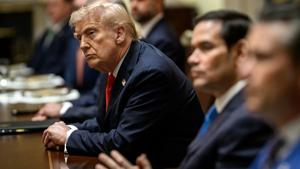
DeSantis’ announcement follows second-term Republican President Donald Trump’s Sept. 19 proclamation issuing a $100,000 fee on new H-1B proposals.
H-1B visas are nonimmigrant authorizations often utilized by specialty occupations in fields requiring highly specialized knowledge, the U.S. Department of State website says. Physicians are another category utilizing them. People can use them to live and work temporarily in the United States.
Amazon, Meta and Apple were among the top petitioners for H-1B visas in 2025. Congress sets a maximum annual cap for these visas at 85,000.
However, state-funded organizations, like universities, are exempt from this congressionally mandated cap. These organizations typically recruit H-1B workers for research and professor positions.
Massachusetts, Michigan, Colorado and Alaska have also initiated programs to recruit immigrant entrepreneurs who can be sponsored through the state’s universities.
Trump cited a lack of jobs for American workers and suppressed wage conditions.
“The large-scale replacement of American workers through systemic abuse of the program has undermined both our economic and national security,” the proclamation reads.
It is unclear how Desantis’ announcement will be implemented in Florida’s university system.



Isolated Rain Showers
Latest News Stories

Casey-Westfield FCCLA Ranked No. 1 in Region for Service Hours
Senate Bill Secures $1 Million for Casey Sewer Improvements

EXCLUSIVE: 5 largest U.S. cities don’t have enough money to pay bills: report
INVESTIGATION: Wisconsin university closes DEI unit but keeps most staff working on equity issues

Board Approves Updated School Resource Officer Agreement
Casey Advances Housing Strategy with Land Bank Transfers and Inspection Contract

Chicago’s $41 billion financial hole exposes city’s pension crisis
Trump seeks $1B from Harvard in federal funding dispute

Lawmakers react to U.S. Supreme Court’s ruling on Prop. 50

WATCH: Senators slam fraud, call for welfare scrutiny in Minnesota

Nurses demand inclusion in professional degree definition
Early voting starts Thursday in most Illinois jurisdictions