
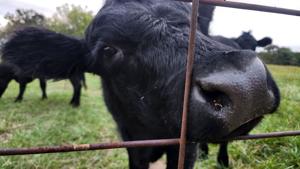
Illinois beef producers say Trump’s Argentina beef plan hurts farmers
(The Center Square) – Illinois beef producers express frustration over President Donald Trump’s plan to expand beef imports from Argentina, a move he says will lower grocery prices but that many warn could hurt U.S. farmers already struggling with tight margins.
Talking with reporters last week, Trump defended the plan as a short-term measure to stabilize food costs.
“The only price we have that’s high is beef, and we’ll get that down,” Trump said. “One of the things we’re thinking about doing is beef from Argentina. If we do that, that will bring our beef prices down. I’m not talking about that much from Argentina, but it would help Argentina, which we consider a very good country, a very good ally.”
Illinois Beef Association Director Josh St. Peters said producers already feel market volatility since Trump’s announcement.
“The markets have at least been able to help producers break even and try to make a little money to pay their bills,” said St. Peters. “In the five trading days since the President pushed for increasing imports of beef from Argentina, we’ve seen a steady decline in the futures markets for live cattle and feeder cattle. That’s directly impacting the amount of money that farmers make.”
St. Peters said Trump’s recent push to import beef from Argentina, meant to lower grocery costs, is instead hurting farmers: cattle prices drop up to 12% while grocery prices rise.
“What we call the boxed beef indicator, that’s the beef trade metric between grocery stores and retailers, has actually increased over the last week and a half,” St. Peters said.
Supporters say Trump’s Argentina beef deal reduces reliance on China, but many Illinois farmers who backed his “America First” agenda are now questioning the policy.
“President Trump campaigned pretty blatantly on an America first agenda,” he said. “But beef producers and farmers in general at this point are feeling very disenfranchised because this is a South America first agenda that he’s proposed.”
In recent remarks, Trump said that the policy would not “benefit Argentina more than U.S. farmers,” calling the South American nation “a country fighting for its life.”
“They have no money. They have nothing,” Trump said. “If I can help them survive in a free world, I happen to like the president of Argentina. I think he’s trying to do the best he can.”
St. Peters warned that the trade proposal risks undercutting U.S. producers while rewarding competitors.
“Essentially, they’re putting a premium, according to President Trump, on beef in South America versus domestically produced beef,” he said. “By importing from Argentina, we’re bringing in South American beef and our understanding of trade in Argentina is that a lot of the beef that makes its way through their market for export actually originates in Brazil.”
St. Peters said the focus should be on stabilizing domestic markets and keeping consumer confidence high.
“We’re encouraging consumers to continue buying beef at the grocery store, to continue dining on beef when you’re out,” he said.
The Illinois Beef Association, based in Springfield, represents more than 17,000 beef producers statewide.
Events

Latest News Stories

IL congressman’s retirement announcement sparks calls for election fixes

WATCH: Trump calls Pritzker ‘fat slob;’ Talk of reviving progressive tax criticized
Illinois quick hits: Man arrested for threating legislator; vigilance urged during shopping season

Casey Unveils New Comprehensive Plan Targeting Jobs, Housing, and Childcare

Casey-Westfield High School Earns ‘Exemplary’ Designation on State Report Card

Americans prepare to spend $1 trillion this holiday shopping season

Gas prices ahead of Thanksgiving holding steady

Casey-Westfield Board Proposes 2025 Tax Levy, Sets Truth-in-Taxation Hearing

Illinois quick hits: Migrant youth allegedly murdered homeless Chicago man

WATCH: Trump calls Pritzker a ‘fat slob,’ Illinois governor blasts president

Illinois business group warns of ‘backbreaking’ progressive income tax
Illinois tops U.S. in pumpkin production despite recent decline in value