Airlines warn flight reductions could cost U.S. economy
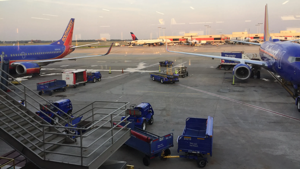
Flight delays and cancelations are frustrating Americans and could be costing the U.S. economy millions of dollars each day, according to a new report from U.S. airlines as the government shutdown continues.
Airlines for America, the trade group for U.S. airlines, said controller staffing issues contributed to 61% of National Airspace System delay minutes from Nov. 7-9. That’s up from 47% in the first six days of November, 16% in October and 5% in the first nine months of 2025, according to the trade group.
Staffing shortages disrupted 5.2 million airline passengers from Oct. 1 through Nov. 9, according to the group.
Republicans have blamed Democrats for the shutdown and Democrats have blamed Republicans. The shutdown started when Congress failed to pass spending bills to keep the government open by Sept. 30.
Airlines for America members canceled just 11 flights due to controller staffing issues from Oct. 1 to Oct. 29. However, from Oct. 30 to Nov. 9, controller staffing issues caused them to cancel 4,162 flights, including 3,756 from Nov. 7-9.
The group said 60% of the Nov. 7-9 staffing-related cancellations resulted from the FAA-mandated flight reductions at 40 major U.S. airports.
The costs for the airline industry are expected to continue as Congress looks to end the shutdown and reopen the federal government.
Airlines for America said that when the Federal Aviation Administration flight-reduction order reaches 10% on Nov. 14, the group estimates a daily average U.S. economic impact of between $285 million and $580 million.
“The estimate is tied solely to compliance with the flight-reduction directive; it does not include the ongoing staffing issues during the shutdown, the costs associated with value of passenger time, reduced bookings, passenger refunds, etc.,” the group noted. “It does, however, include indirect and induced impacts tied to reduced visitor spending, state and local tax revenue and spending across the broader economy as individuals within and outside the aviation supply chain curtail expenditures.”
Airlines for America said even passengers who make it where they want to go face long departure delays, extended tarmac times, and highly unpredictable arrival times.
“The staffing crisis has triggered broad secondary impacts – including late aircraft arrivals, crew legality issues, and equipment mispositioning – all of which prolong recovery, which will become worse as the directive phases up to 10% flight reductions,” the group asid. “Unlike weather-driven disruptions which carriers can prepare for, each controller shift change or facility staffing trigger adds hours of delay with no advance notice, undermining the airlines’ ability to plan, staff or protect customers.”
Events

Latest News Stories

Colorado ranks eighth nationally for battling antisemitism

Trump speaks with Zelenskyy, European leaders ahead of Putin meeting in Alaska

Texas House Democrats may return after first special session is over

Illegal border crossings reach lowest level in recorded US history in July
GE Appliances announces $3 billion investment in U.S. production

VA reduces benefits backlog as concerns linger over potential cuts

DOJ settles West Point lawsuit over race-based admissions
Texas AG Paxton files motion of contempt against O’Rourke

WATCH: Illinois In Focus Daily | Wednesday Aug. 13th, 2025

Illinois law empowers officials to crack down on predatory towing
Texas Supreme Court sets expedited schedule in Paxton, 13 House Dems case
Texas Supreme Court sets expedited briefing schedule in Abbott-Wu case