Supreme Court agrees to hear election law challenge
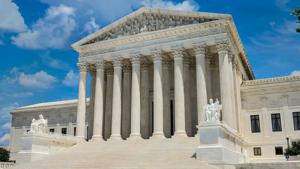
The U.S. Supreme Court agreed on Monday to hear a case challenging state laws that allow ballots to be counted if they are received after Election Day.
The case, Watson v. Republican National Committee, specifically challenges a law in Mississippi that allows mail-in ballots to be counted within five business days after an Election Day as long as the ballot is postmarked by an election’s date.
Thirty-one states and the District of Columbia also allow mail-in ballots to be received after Election Day as long as they are postmarked by that day. A decision in this case would set a precedent for other state election laws.
“The stakes are high: ballots cast by – but received after – election day can swing close races and change the course of the country,” lawyers for the RNC wrote in a petition to the court.
The lawyers argued federal law appoints the Tuesday after the first Monday in November as Election Day.
A federal judge in Mississippi denied the Republican National Committee’s initial challenge to its mail-in ballot counting statute. An appeals court later overturned the ruling and said all ballots must be counted by the federal Election Day.
Mississippi then appealed to the Supreme Court. A coalition of 19 states and the District of Columbia wrote in a petition urging the court to uphold state election laws.
“States have the constitutional authority to make individualized judgments on how best to receive and count votes in federal elections,” representatives for the state wrote.
The Supreme Court wrote a brief order that granted hearing of the case on Monday. Oral arguments will likely occur next year and a decision will be released in June.





Mostly Sunny then Chance Showers And Thunderstorms
Latest News Stories

WATCH: Gun rights supporters celebrate 9th Circuit’s ruling against CA gun rationing law

Feds sue California over emission standards for trucks
Illinois quick hits: ‘Lawsuit inferno’ bill takes effect after Pritzker signed 267 measures Friday

WATCH: UW-authored study on surgery times contradicts CMS basis for reimbursement cuts

State defends gun ban district court ruled unconstitutional

Trump aiming for ceasefire, world awaiting news from Putin summit
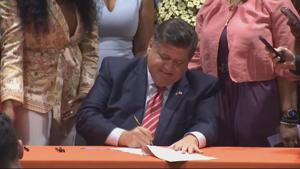
Pritzker acts upon 269 bills, vetoes 2, signs ‘lawsuit inferno’ measure
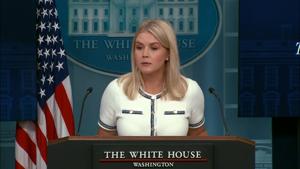
Report: average American to receive $3,752 tax cut in 2026 due to OBBBA

Republican, Dem work to prevent deportation of entrepreneur

Nevada superintendent says ICE won’t enter schools
MAHA-style bill would close food additive safety loophole

Legislators criticize Illinois’ utility policies as ‘unsustainable’

John William Wofford, 55