Supreme Court agrees to hear election law challenge
The U.S. Supreme Court agreed on Monday to hear a case challenging state laws that allow ballots to be counted if they are received after Election Day.
The case, Watson v. Republican National Committee, specifically challenges a law in Mississippi that allows mail-in ballots to be counted within five business days after an Election Day as long as the ballot is postmarked by an election’s date.
Thirty-one states and the District of Columbia also allow mail-in ballots to be received after Election Day as long as they are postmarked by that day. A decision in this case would set a precedent for other state election laws.
“The stakes are high: ballots cast by – but received after – election day can swing close races and change the course of the country,” lawyers for the RNC wrote in a petition to the court.
The lawyers argued federal law appoints the Tuesday after the first Monday in November as Election Day.
A federal judge in Mississippi denied the Republican National Committee’s initial challenge to its mail-in ballot counting statute. An appeals court later overturned the ruling and said all ballots must be counted by the federal Election Day.
Mississippi then appealed to the Supreme Court. A coalition of 19 states and the District of Columbia wrote in a petition urging the court to uphold state election laws.
“States have the constitutional authority to make individualized judgments on how best to receive and count votes in federal elections,” representatives for the state wrote.
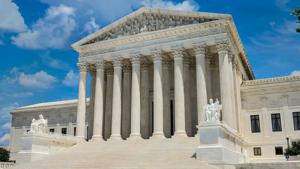
The Supreme Court wrote a brief order that granted hearing of the case on Monday. Oral arguments will likely occur next year and a decision will be released in June.





Mostly Sunny
Latest News Stories
Trump says he’s ready to nominate up to three Supreme Court justices
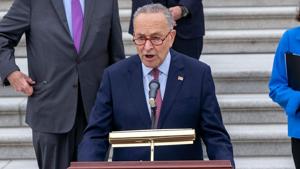
Military hostilities in Iran continue after Senate tanks War Powers Resolution

WATCH: Detransitioner battles to revive landmark malpractice and fraud lawsuit

Iran economic fallout is temporary, Hassett says

Illinois Quick Hits: NFIB says biz deduction will bring jobs, benefit to Illinois

Soaring costs and short supply shut millennials out of housing market
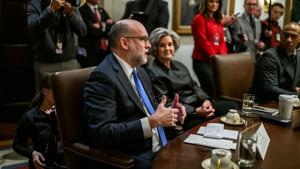
Vought testifies before lawmakers on Trump’s $2.1T budget request

SNAP eligibility changes spark debate on gap for impacted recipients

Trump puts spotlight on China, Iran’s top oil consumer
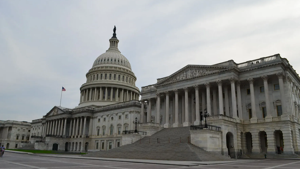
Lawmakers, auditors offer fraud prevention solutions

Illinois unions seek to kill Waymo-friendly bill in Springfield
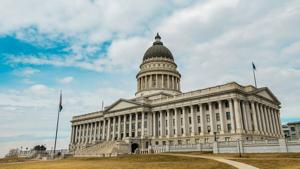
Rich States Poor States: Tax policy largely determines states’ economic competitiveness