Supreme Court agrees to hear election law challenge
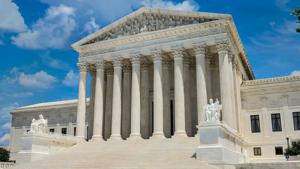
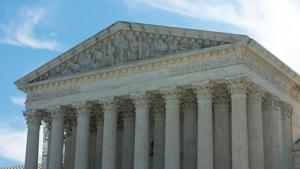
The U.S. Supreme Court agreed on Monday to hear a case challenging state laws that allow ballots to be counted if they are received after Election Day.
The case, Watson v. Republican National Committee, specifically challenges a law in Mississippi that allows mail-in ballots to be counted within five business days after an Election Day as long as the ballot is postmarked by an election’s date.
Thirty-one states and the District of Columbia also allow mail-in ballots to be received after Election Day as long as they are postmarked by that day. A decision in this case would set a precedent for other state election laws.
“The stakes are high: ballots cast by – but received after – election day can swing close races and change the course of the country,” lawyers for the RNC wrote in a petition to the court.
The lawyers argued federal law appoints the Tuesday after the first Monday in November as Election Day.
A federal judge in Mississippi denied the Republican National Committee’s initial challenge to its mail-in ballot counting statute. An appeals court later overturned the ruling and said all ballots must be counted by the federal Election Day.
Mississippi then appealed to the Supreme Court. A coalition of 19 states and the District of Columbia wrote in a petition urging the court to uphold state election laws.
“States have the constitutional authority to make individualized judgments on how best to receive and count votes in federal elections,” representatives for the state wrote.
The Supreme Court wrote a brief order that granted hearing of the case on Monday. Oral arguments will likely occur next year and a decision will be released in June.





Partly Sunny
Latest News Stories

Dallas Fed: Geopolitical conflicts creating uncertainty for U.S. oil and gas industry

Illinois Quick Hits: Pritzker pushes for E15

Clark County Ambulance Service Faces Critical Level Zero Instances Amid Medicaid Collection Issues
Trump addresses nation on Iran strikes; signals conflict nearing end

IL biometrics privacy reforms apply to past cases, too: Appeals court

Artemis II heads to the moon with first crewed mission since 1972
Pro-life org to Trump: Taxpayers should not be forced to fund killing of unborn children
Birthright citizenship advocates confident in SCOTUS hearing

College funding bill draws dissent from big Illinois universities
Illinois quick hits: Chicago announces $300 million housing spend; Rockford men faces cocaine trafficking charges; State to honor troopers killed in the ling of duty

Pentagon commits to tripling Patriot missile production at $4 million per
Supreme Court appears skeptical of Trump’s birthright citizenship order