Supreme Court agrees to hear election law challenge
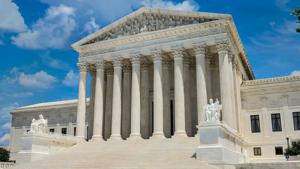
The U.S. Supreme Court agreed on Monday to hear a case challenging state laws that allow ballots to be counted if they are received after Election Day.
The case, Watson v. Republican National Committee, specifically challenges a law in Mississippi that allows mail-in ballots to be counted within five business days after an Election Day as long as the ballot is postmarked by an election’s date.
Thirty-one states and the District of Columbia also allow mail-in ballots to be received after Election Day as long as they are postmarked by that day. A decision in this case would set a precedent for other state election laws.
“The stakes are high: ballots cast by – but received after – election day can swing close races and change the course of the country,” lawyers for the RNC wrote in a petition to the court.
The lawyers argued federal law appoints the Tuesday after the first Monday in November as Election Day.
A federal judge in Mississippi denied the Republican National Committee’s initial challenge to its mail-in ballot counting statute. An appeals court later overturned the ruling and said all ballots must be counted by the federal Election Day.
Mississippi then appealed to the Supreme Court. A coalition of 19 states and the District of Columbia wrote in a petition urging the court to uphold state election laws.
“States have the constitutional authority to make individualized judgments on how best to receive and count votes in federal elections,” representatives for the state wrote.
The Supreme Court wrote a brief order that granted hearing of the case on Monday. Oral arguments will likely occur next year and a decision will be released in June.




Mostly Sunny
Latest News Stories

Bill would give parents access to expulsion evidence

WATCH: Pritzker IDs half billion in ‘reserves;’ SCOTUS considering gun ban challenge
Proposed Illinois bill would let local voters approve rent control, drawing sharp criticism

Businesses close in Minnesota for anti-ICE ‘economic blackout’

Illinois Quick Hits: Higher ed board pushes for more spending

Policy Change Relaxes Grade Exclusion Requirements for Returning Students
Pritzker says $481.6 million put in reserves, GOP questions state spending

Illinois Quick Hits: HHS: IL abortion referral rule violates federal law

WATCH: Resolution condemning federal immigration law enforcement sparks debate
Casey City Council Bans Sale and Possession of Kratom Products
Council Pursues Site Readiness Grant; Discusses Outsourcing Code Enforcement
Chicago splits pension payments in hopes of Improving cash flow