
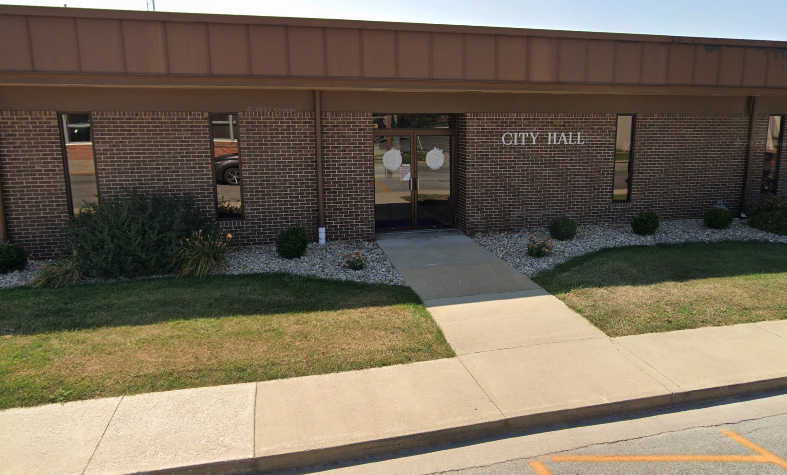
Casey Officials Clarify City Finances, Justify First Proposed Property Tax Hike in Five Years
City of Casey Comprehensive Plan Meeting | November 17, 2025
Article Summary: In response to public questions, Casey city officials corrected the perception of “excess funds,” stating the utility department ran a $1.2 million deficit last year due to population loss. Mayor Mike Nichols explained a proposed property tax increase, the first in five years, is necessary to offset declining revenue.
City Finances Key Points:
-
The city’s utility fund lost $1.2 million last year, attributed to a loss of 35-50 households and rising costs.
-
State law restricts moving funds from dedicated utility departments to cover general city expenses.
-
The city previously cut property taxes by a combined 20% in 2020 and 2022.
-
A population decrease of approximately 700 people has reduced overall city revenue, prompting the proposed tax increase.
CASEY – During a public hearing on Monday, November 17, 2025, Casey Mayor Mike Nichols addressed resident questions regarding the city’s financial health, clarifying that municipal utilities are operating at a deficit and explaining the rationale behind the first proposed property tax increase in five years.
When a resident asked if the city’s “excess funds” from utilities were being budgeted into future plans, Nichols stated the opposite was true. “Utilities, we were minus $1.2 million last year,” he said. “We’re behind the eight ball on that because of the lost population. We’ve lost 35 to 50 households and then the price has gone up.”
Nichols also explained that under Illinois state appropriations rules, any surplus generated by a specific utility, such as the electric department, must remain within that fund. These funds cannot be freely transferred to the city’s general fund for other uses.
The resident then asked why the city was considering levying more property tax. Nichols responded by noting the city’s recent history of tax cuts, which included a 15% reduction in 2020 and another 5% cut in 2022, for a total of 20% over the last five years.
He said the proposed increase is a direct result of a significant population decline of about 700 people over the same period, which has led to a drop in revenue collection while costs continue to rise.
“Our collection has gone down while everything else has stayed the same,” Nichols said. “We’re trying to not make a profit but maintain the black so we don’t go fast backwards.” He cited “the rising cost of utilities and the loss of paying households” as the primary drivers of the city’s financial challenges.
Showers And Thunderstorms
Latest News Stories

GOP candidate Bailey urges Trump to apologize to pope; bishop calls for dialogue

Senator says taxpayers fleeced by corrections department

Illinois Quick Hits: CTU-backed senator launches ‘tax the rich’ campaign

Lawmaker slams Illinois tuition bill favoring illegal immigrants

Goble, Gilbert Combine for No-Hitter as Casey-Westfield Routs Lawrenceville 13-0

Illinois Quick Hits: $3M in taxpayer funds go to Chicago neighborhood center

Casey-Westfield Capitalizes on Mistakes to Blank Arthur-Okaw Christian 10-0
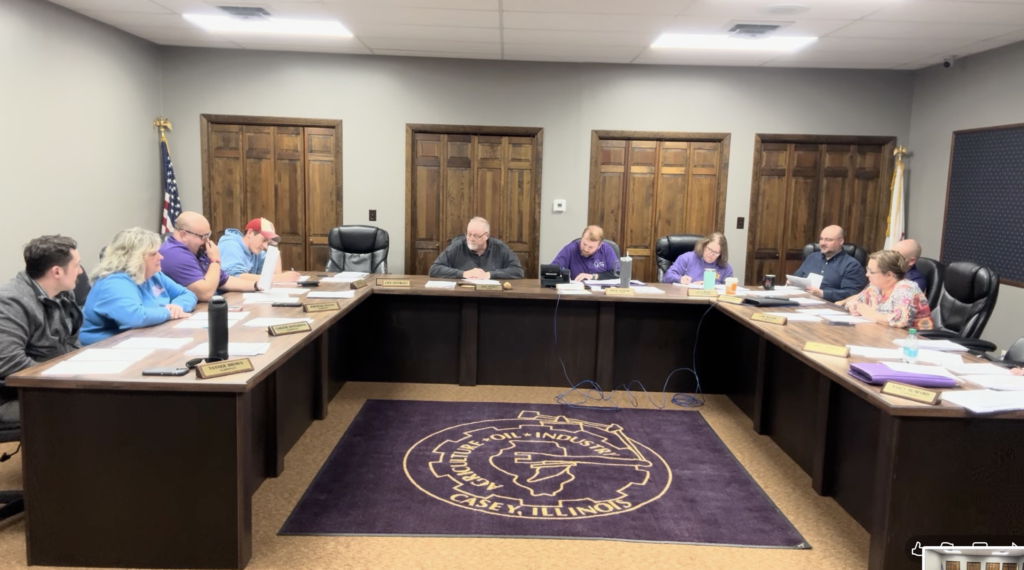
Casey Council Transfers Vacant Lots to Central Illinois Land Bank Authority
Temu, Shein hit with class actions demanding tariff refunds

Illinois has most government units, but consolidation brings challenges

Illinois quick hits: Southwest to lay off 107 as O’Hare service ends

State House passes 133 bills, many potential impacts for Illinoisans