Revenues from energy production at $14.6B for 2025
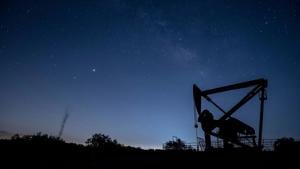
Energy production on federal lands and waters and in U.S. tribal areas generated $14.61 billion in government revenues in the 2025 fiscal year, according to the Department of the Interior’s Office of Natural Resources Revenue.
Revenues generated from royalties, rents, and bonuses paid by energy and mineral producers are disbursed to a wide range of initiatives and programs, including those that support public infrastructure, education, emergency services, conservation and reclamation projects and historic preservation.
The amount represents the fifth-largest disbursement since 1982, according to the Interior Department.
The revenues were down from $16.45 billion in the 2024 fiscal year and $18.24 billion in the 2023 fiscal year. In the 2022 fiscal year, revenues reached a record-high $21.53 billion, according to the department.
A decrease in this year’s disbursements was mostly due to a drop in commodity prices, according to the department.
Just over $5 billion was disbursed to the Treasury Department, $4.07 billion was allocated to 34 states and $2.98 billion went to the Bureau of Reclamation, which builds and operates dams, power plants, canals and other water resources in the western U.S. About $1.0 billion went to tribes and individual Native American minerals owners during the 2025 fiscal year.
New Mexico received $2.76 billion, the highest amount of royalties from energy production on federal lands within its borders.
It was followed by Wyoming at $544.87 million, Louisiana at $162.42 million, North Dakota at $114.95 million and Texas at $99.83 million.
The revenues disbursed to 33 federally recognized tribes and approximately 31,000 individual Native American mineral owners represent 100% of the revenues received from energy and mining activities on tribal lands in the 2025 fiscal year, according to the Interior Department.
Tribes use the revenues to fund infrastructure development, provide health care and education and support other community programs such as senior centers, public safety projects and youth initiatives, according to the department.
Events
Latest News Stories

Normal, IL fire and EMS challenges highlight need for statewide task force
Analysis: Chicago among worst cities to drive in

First lawsuit filed against Camp Mystic by parents of five campers, two counselors
Senate votes to reopen government, sending funding bills to House

Illinois quick hits: Bailey to stay in governor’s race

Airlines warn flight reductions could cost U.S. economy

Report: Less than half of CPS students performing at grade level

WATCH: IL comptroller candidates focus on transparency, timely reporting

With shutdown ending, debate on Obamacare subsidies to begin
Democratic senators under fire explain why they supported GOP bill to end shutdown
FDA to remove ‘black box’ warnings on menopausal hormone therapies
Giannoulias ramps up campaign for state regulation of auto premiums