Economist says curbing SNAP fraud requires states to cover 100% of costs

Spread the love

With the Trump administration taking steps to curb food stamp fraud, some fiscal watchdogs argue that shifting the consequences of fraud from the federal government to states is the only long-term solution.

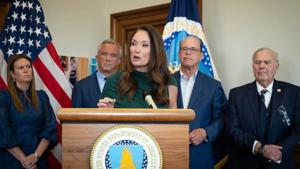
The U.S. Department of Agriculture is combing through state’s SNAP recipient data to reduce ineligible enrollment, though USDA Secretary Brooke Rollins said Monday that 22 Democrat-governed states have refused to provide data. Rollins has also floated the idea of mass-recertification, though she walked back the proposal after widespread backlash.

The Cato Institute, a libertarian think tank, says that these measures are only short-term solutions that do nothing to incentivize states to crack down on fraud themselves. Romina Boccia, Cato’s director of budget and entitlement policy, argues that states should be responsible for covering 100% of both program benefits and administrative costs.

While the SNAP reforms in Republicans’ budget reconciliation bill “were a step in the right direction,” Boccia told The Center Square, “the ideal is for states to assume full responsibility for how they run and fund their programs.”

“That would give them both the flexibility and the accountability to operate SNAP more efficiently and tailor benefits to the needs of their residents,” Boccia said. “That is superior to today’s SNAP structure, where states face almost no incentive to control costs because they can simply pass the bill to federal taxpayers.”

For decades, the federal government has funded 100% of SNAP benefits and 75% of administrative costs, with states covering the remaining 25%.

Republicans’ reconciliation bill, among other changes, increased states’ share of administrative costs to 50%. Beginning in fiscal year 2028, it also forces states with payment error rates between 6% and 8% to cover 5% of benefits costs, with the cost share rising to 15% for states with payment error rates of 10% or above.

As of 2024, states have an average SNAP payment error rate of just under 11%, with Alaska having the highest error rate of just under 25%, according to USDA data.

Democratic lawmakers have argued that the greater portion of SNAP costs states have to cover, the more states will have to either raise taxes or cut recipients’ benefits.

But Boccia, who supports block-granting SNAP and gradually reducing the federal government’s share of SNAP benefits to zero, pointed to similar program reforms that not only helped reduce fraud but also reduced ballooning enrollment.

“States with high caseloads might need to raise taxes to sustain their current enrollment, but we saw after the 1996 welfare reforms – when TANF was block-granted – that states tend to right-size and better target their programs rather than hike taxes to support very large welfare rolls,” Boccia said. “And even if a state chose to raise taxes, voters could hold their own legislators directly accountable for how those dollars are spent.”

The federal government spent $99.8 billion on 41.7 million SNAP recipients in fiscal year 2024, USDA data shows, a 12% decrease from the previous year.

“Any safety-net program should aim to reduce dependency and promote self-sufficiency,” Boccia said. “The goal of welfare, in most cases, should be to help people move off welfare, not onto it.”

Leave a Comment


Latest News Stories

Casey Council Meeting.2

Casey Schedules Public Input on Comprehensive Plan Update
Casey residents will have the opportunity to provide input on the city's comprehensive plan update during a public meeting scheduled for April 22nd from 5:00 to 7:00 p.m., Economic Development...
City Council Meeting Briefs.Blue

CITY MEETING BRIEFS

Ordinance Changes Considered: Alderman Richardson reported a citizen inquiry about allowing chickens within city limits, with an ordinance committee meeting planned to discuss potential changes to current regulations. Emergency Sirens...
Casey Westfield School Board.2

Casey-Westfield Board Approves $4.5 Million Bond Issue with Local Banks
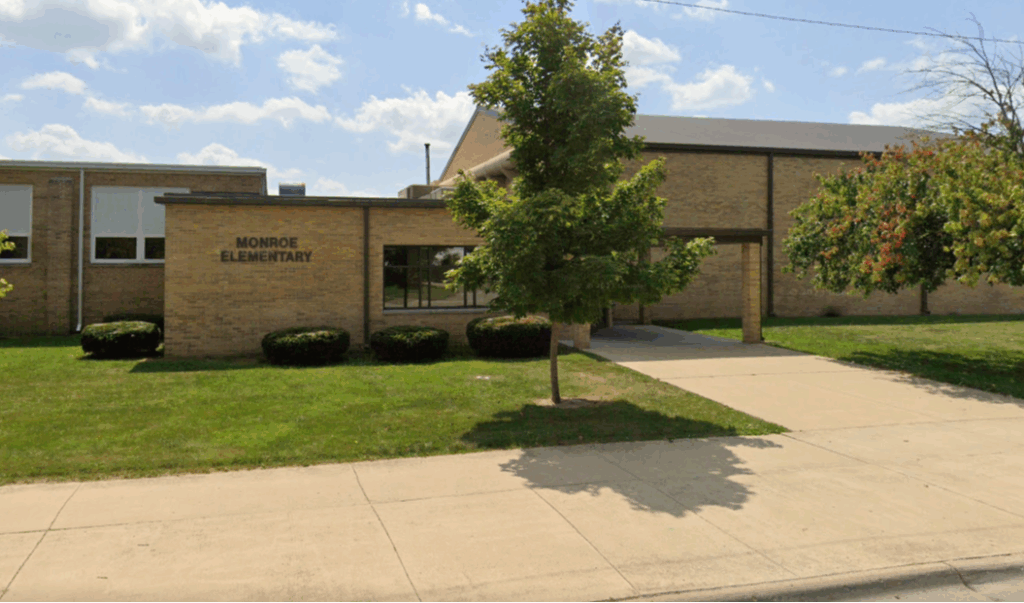
The Casey-Westfield School Board unanimously approved a $4.5 million bond issue for fire prevention, safety improvements, and building renovations during Monday's meeting, with financing arranged through three local banks at...
Casey Westfield School Board.3

Legislative Concerns and Athletic Policy Changes Address School Operations
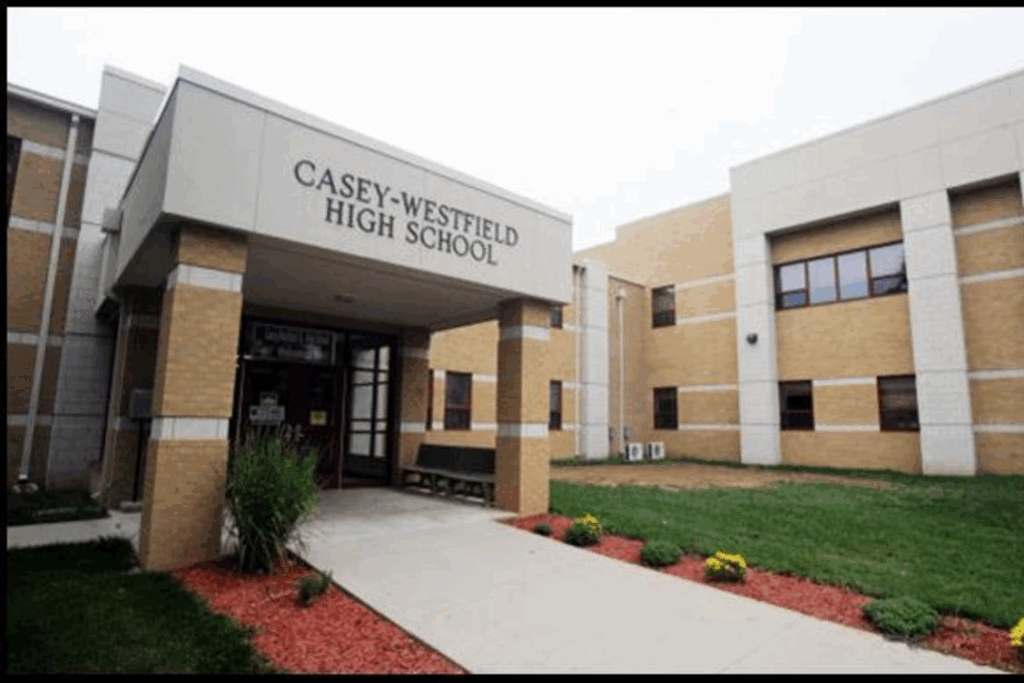
Casey-Westfield school officials are monitoring state legislative developments that could affect district operations, while also adapting to new athletic association policies for private school competition. Superintendent Mike Shackelford alerted board...
Casey Westfield School Board.1

SCHOOL BOARD MEETING BRIEFS

Technology Infrastructure Critical: The 9-year-old junior/senior high server replacement was urgently needed due to memory loss, 95% capacity usage, and daily error codes threatening system failure. Local Banking Partnership: Three...
Casey Council Meeting.2

Casey Approves Historical Society Parade, Adds Employee Medical Benefits
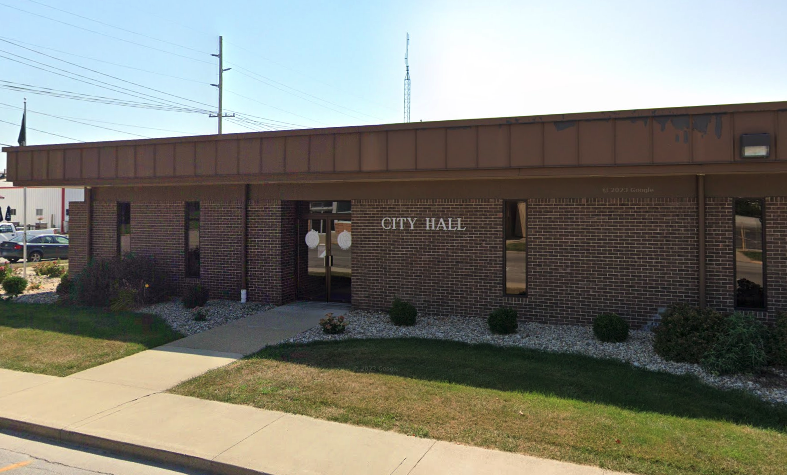
The Casey City Council formally approved the Casey Historical Society Parade for May 10th and enhanced employee benefits by adding AirMedCare membership during Monday's meeting, while also advancing comprehensive planning...
Casey Council Meeting.1

Casey Advances Comprehensive Planning with Public Input Planned
Casey is moving forward with a comprehensive update to its long-range planning efforts, with public participation opportunities scheduled for April as the city works toward adopting a new comprehensive plan...
City Council Meeting Briefs.Purple

CITY MEETING BRIEFS

Summer Cleanup Scheduled: The annual city-wide cleanup will run June 7th through June 14th, with Utility Superintendent Biggs also announcing plans to advertise for summer help positions. Storm Response Active:...
Casey Council Meeting.1

Casey Police Face Staffing Changes as Officer Resigns, New Recruit Advances

The Casey Police Department is navigating personnel transitions after an officer submitted his resignation, while a new recruit continues progressing through the academy, Chief Adam Henderson reported during Monday's city...
Casey Council Meeting.2

Economic Development Initiatives Gain Momentum in Casey

Casey's economic development efforts are expanding with multiple new programs and partnerships designed to boost the city's growth prospects, Economic Development Director Tom Daughhetee announced during Monday's council meeting. Daughhetee...
City Council Meeting Briefs.Blue

CITY MEETING BRIEFS

Founder's Day Parade Planned: A Founder's Day Parade is being organized for May 10th following a request by Patty Richards during the public forum. A resolution authorizing the parade will...
Casey Westfield School Board.1

Casey-Westfield Board Holds Hearing on $4.5 Million Safety Bond Issue

The Casey-Westfield School Board conducted a public hearing on a proposed $4.5 million bond issue for fire prevention and safety improvements, while also approving 4% administrative salary increases and addressing...
Casey Westfield School Board.2

Casey-Westfield Students Excel in Academics and Community Service

Casey-Westfield students demonstrated exceptional achievement across academic, artistic, and community service activities, according to administrator reports presented during Monday's board meeting. Monroe Elementary students celebrated multiple milestones, including the 100th...
Casey Westfield School Board.3

SCHOOL BOARD MEETING BRIEFS

Bond Issue Under Review: The $4.5 million fire prevention and safety bond proposal remains under consideration following public hearing input about property tax concerns and district bonding capacity. State Funding...
Casey Council Meeting.2

Casey Moves Forward with Utility Rate Study as Resident Questions City Processes

The City of Casey took the next step toward addressing its utility rate issues during Monday's council meeting, while a resident raised concerns about city transparency and bidding processes. Utility...