Trump signs order reclassifying marijuana as Schedule III drug
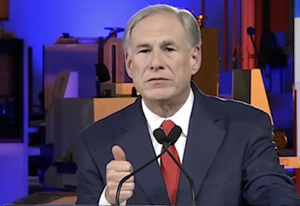
President Donald Trump signed an executive order to reclassify marijuana from a Schedule I to a Schedule III controlled substance, despite many Republican lawmakers urging him not to.
“I want to emphasize that the order I am about to sign is not the legalization [of] marijuana in any way, shape, or form – and in no way sanctions its use as a recreational drug,” Trump said. “It’s never safe to use powerful controlled substances in recreational manners, especially in this case.”
“Young Americans are especially at risk, so unless a drug is recommended by a doctor for medical reasons, just don’t do it,” he added. “At the same time, the facts compel the federal government to recognize that marijuana can be legitimate in terms of medical applications when carefully administered.”
Under the Controlled Substances Act, Schedule I drugs are defined as having a high potential for abuse and no accepted medical use. Schedule III drugs – such as anabolic steroids, ketamine, and testosterone – are defined as having a moderate potential for abuse and accepted medical uses.
Although marijuana is still illegal at the federal level, 24 states and the District of Columbia have fully legalized marijuana within their borders, while 13 other states allow for medical marijuana.
Advocates for easing marijuana restrictions argue it will accelerate scientific research on the drug and allow the commercial marijuana industry to boom. Now that marijuana is no longer a Schedule I drug, businesses will claim an estimated $2.3 billion in tax breaks.
Chair of The Marijuana Policy Project Betty Aldworth said the reclassification, which the Drug Enforcement Administration must approve, “marks a symbolic victory and a recalibration of decades of federal misclassification.”
“Cannabis regulation is not a fringe experiment – it is a $38 billion economic engine operating under state-legal frameworks in nearly half of the country that has delivered overall positive social, educational, medical, and economic benefits, including correlation with reductions in youth use in states where it’s legal,” Aldworth said.
Opponents of the reclassification, including 22 Republican senators who sent Trump a warning letter Wednesday, point out the negative health impact of marijuana use and its effects on occupational and road safety.
“The only winners from rescheduling will be bad actors such as Communist China, while Americans will be left paying the bill. Marijuana continues to fit the definition of a Schedule I drug due to its high potential for abuse and its lack of an FDA-approved use,” the lawmakers wrote. “We cannot reindustrialize America if we encourage marijuana use.”
Marijuana usage is linked to mental disorders like depression, suicidal ideation, and psychotic episodes; impairs driving and athletic performance; and can cause permanent IQ loss when used at a young age, according to the Substance Abuse and Mental Health Administration.
Additionally, research shows that “people who use marijuana are more likely to have relationship problems, worse educational outcomes, lower career achievement, and reduced life satisfaction,” SAMHA says.
This article was edited post-publication to clarify that DEA must approve the reclassification.




Showers And Thunderstorms
Latest News Stories

Illinois quick hits: Record hotel tax revenues reported; grocer sentenced for SNAP, WIC fraud

WATCH: Policy questions loom as Pritzker announces ag investment, tax credits

Starry Night

WATCH: Police officer, legislator: Seize opportunity to reform Illinois’ cashless bail

WATCH: IL Hospital Association: $50B rural hospital fund ‘woefully inadequate’

Rotarian Shane Todd presents program at Rotary Club

Illinois quick hits: Chicago businesses at 10-year low; school admin survey closes soon

Pritzker unveils Illinois LGBTQ hotline amid debate over transgender athletes

Meeting Summary and Briefs: Lake Land College Board of Trustees for July, 2025

Marine’s mother takes on troop transport duties for family visits

Trump plans to clean up Democrat-run cities over local objections
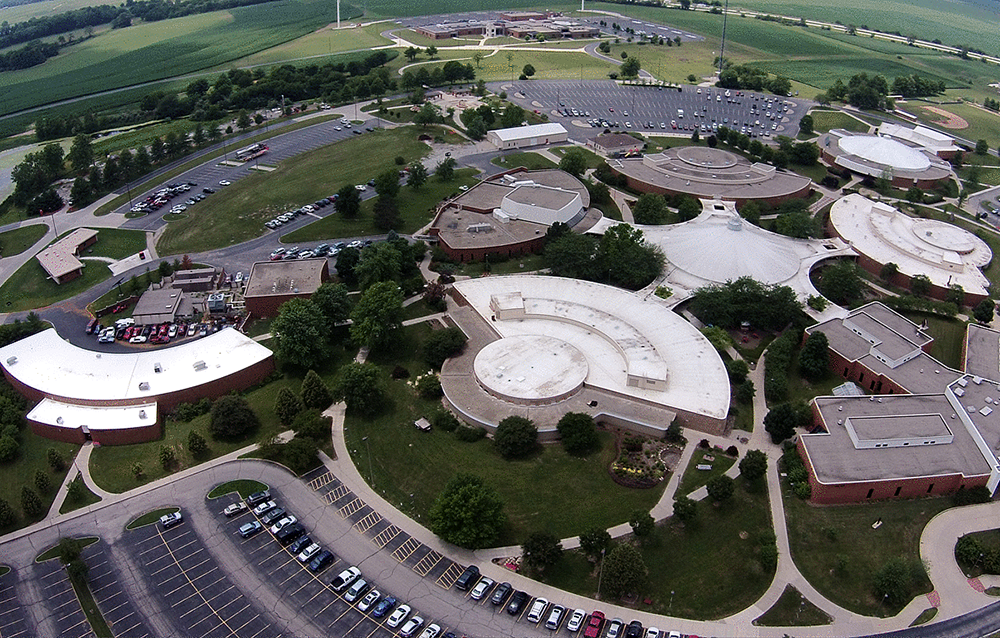
Lake Land Seeks State Funding for Major Renovations to Four Campus Buildings