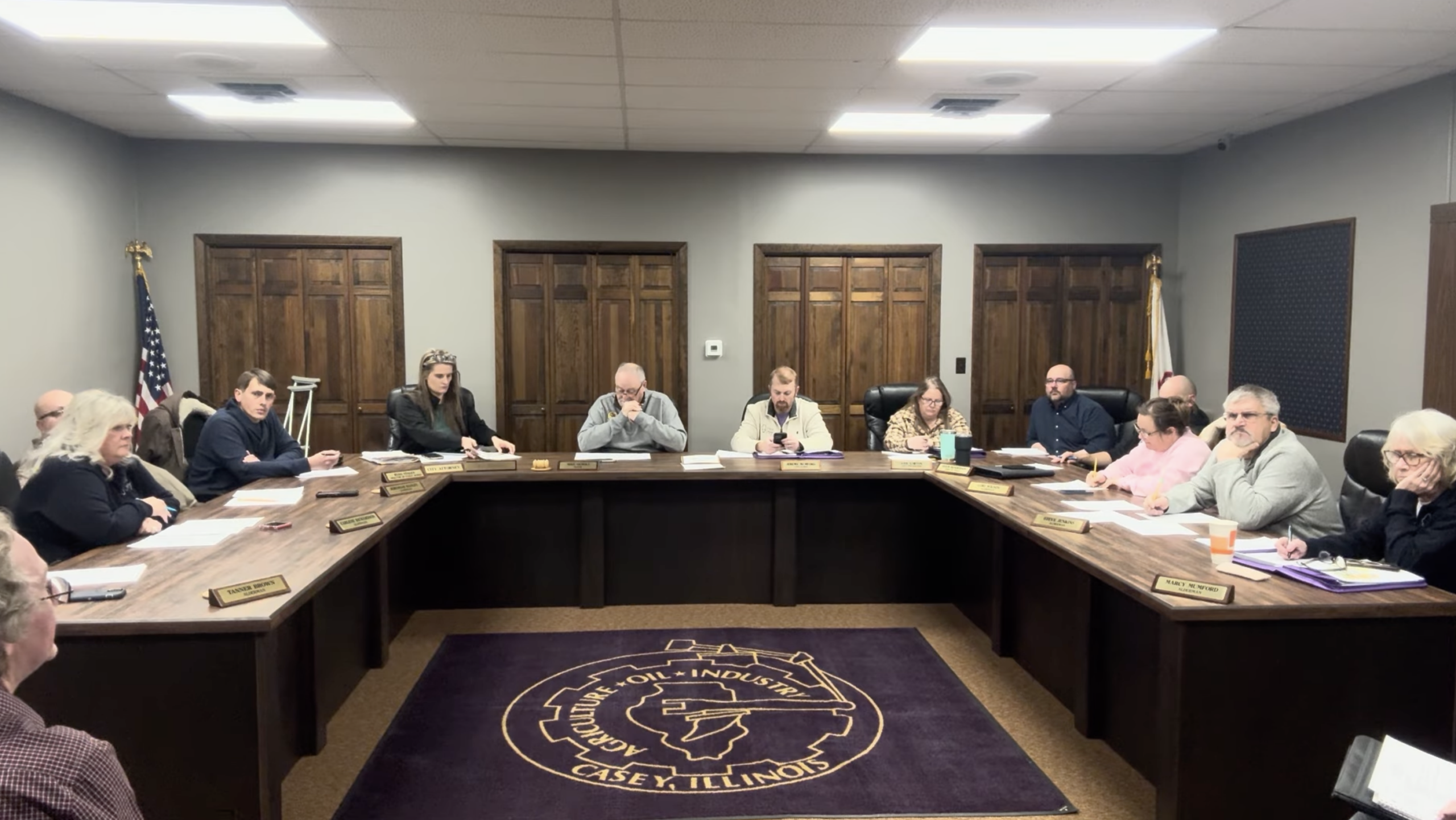
Casey City Council Bans Sale and Possession of Kratom Products
City of Casey Meeting | January 19, 2026
Article Summary: The Casey City Council on Monday unanimously approved an ordinance prohibiting the sale, possession, and delivery of Kratom and 7-Hydroxymitragynine (7-OH) products within city limits. City officials cited public health concerns and potential addiction risks associated with the substances as the primary drivers for the ban.
Ordinance #604 Key Points:
-
Total Ban: The ordinance makes it unlawful to sell, offer for sale, keep for sale, deliver, or distribute any product containing Kratom or 7-OH.
-
Penalties: Violations are considered civil offenses carrying fines between $250 and $750 per offense, with each day of violation constituting a separate offense.
-
Enforcement Timeline: While the ordinance takes effect 10 days after publication, officials discussed providing local businesses a grace period until February 28 to comply.
-
Health Concerns: The ordinance cites FDA warnings and potential health effects including respiratory depression, addiction, seizures, and death.
The Casey City Council on Monday, January 19, 2026, voted unanimously to adopt Ordinance #604, effectively banning Kratom and its concentrated derivative, 7-Hydroxymitragynine (7-OH), within the city.
The decision follows concerns regarding the safety and regulation of the substances, which are often sold in convenience stores, gas stations, and smoke shops. Kratom is an herbal substance that can produce opioid-like effects.
“It is illegal for anyone under the age of 18 by state law,” Police Chief Adam Henderson told the council. “State law does not address anyone over the age of 18. The impacts of this product are predetermined and horrible.”
The text of the ordinance states that 7-OH is a potent synthetic opioid shown in studies to be significantly more potent than morphine. It also notes that Poison Control Centers have reported a dramatic increase in exposure cases rising from approximately 330 per year in 2015 to over 1,800 cases by mid-2025.
Under the new regulations, the sale, possession, and delivery of these products are declared a public nuisance. Any person or business found in violation will face fines ranging from $250 to $750.
During the discussion, City Attorney Tracy Willenborg advised a soft rollout regarding enforcement to allow local vendors time to remove the inventory.
“I would show a little grace to your local establishments,” Willenborg suggested. She recommended delivering copies of the new ordinance to businesses and setting a compliance deadline of February 28.
Mayor Mike Nichols directed Chief Henderson to ensure the ordinance is distributed to establishments known to sell the products. “We don’t need it out there with the kids having a chance to get a hold of it,” Nichols said.
The ordinance passed with “Yes” votes from Aldermen Tanner Brown, Steve Jenkins, Lori Wilson, Jeremiah Hanley, Marcy Mumford, and Carlene Richardson.


Showers And Thunderstorms
Latest News Stories

Group seeks clarity on local IL governments using tax dollars for polling

Illinois congressmen call for accountability after fatal Minneapolis shooting

Kavanagh: Mayes must resign, her comments endanger ICE

Riots continue in Twin Cities

Former GOP lawmaker urges regulators to block potential Netflix-Warner Bros. merger

U.S. withdrawal from WHO completed over COVID-19 mishandling

Judge ends anti-ICE case, jumps into IL Dems’ bid to freeze ICE

U.S. Supreme Court to define decades-old consumer law

WATCH: Candidate investigates Medicaid spending; Diversity program audit urged

TCS stories about Illinois’ diversity agency prompts call for audit

DOE issues emergency orders to mitigate blackouts in New England, Texas

First Annual Laker Academic Invitational to be Held for Local High School Students