Ex-deputy sentenced to 20 years in prison for killing Sonya Massey
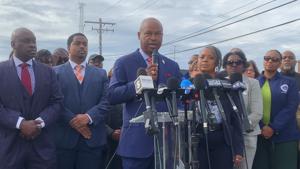
(The Center Square) – A former Sangamon County sheriff’s deputy has been sentenced to 20 years in prison for fatally shooting Sonya Massey at her Springfield home in July 2024.
A jury convicted Sean Grayson of second-degree murder Oct. 29. On Thursday morning in Springfield, Judge Ryan Cadigan handed down the maximum allowed sentence for Grayson’s crime.
In a statement from the Massey Commission for Sangamon County, Sonya’s cousin, Sontae Massey, said Sonya’s death would follow her for the rest of her life.
“It is a permanent reminder of what happens when power is exercised without humanity, when a life is treated as disposable,” Sontae Massey stated.
The trial was in Peoria after Grayson’s legal team argued local news coverage of Massey’s death would make it impossible to find an impartial jury.
In the early morning hours of July 6, 2024, Massey called police about a suspected prowler. Two Sangamon County Sheriff deputies arrived on the scene. Body camera footage released by Illinois State Police showed Grayson confronting Massey and threatening to shoot her in the face.
Massey was then shot in the head.
Greg Bishop contributed to this story.





Mostly Cloudy then Chance Showers And Thunderstorms
Latest News Stories

Walk-Off Winner: Pruemer’s Complete Game Lifts Windsor/Stewardson-Strasburg Over Casey-Westfield

Goble, Bonds Go Deep as Casey-Westfield Offense Overwhelms BHRA, 17-4
Lock’s Homer, Jones’ Complete Game Power Cumberland Past Casey-Westfield, 7-4

Casey-Westfield Men, Marshall Women Capture Team Titles at Quad Meet
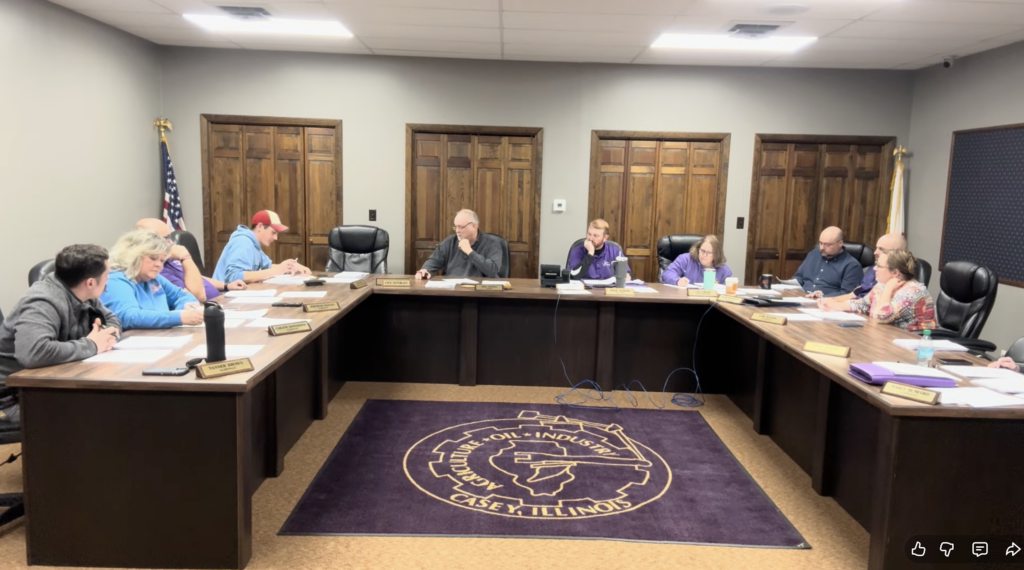
Casey City Council Secures Final Easements for I-70 Sewer Extension Project
WATCH: California probe ends $267M in alleged hospice fraud
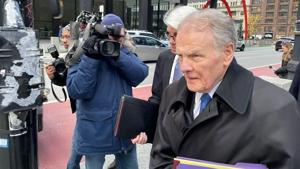
Ex-Blago attorney: Quid pro quo is key to Madigan appeal
Illinois Quick Hits: House GOP says no Bears deal without property tax reform

WATCH: More than $600 million stolen from SNAP in 2025

Melania Trump denies any relationship with Jeffrey Epstein
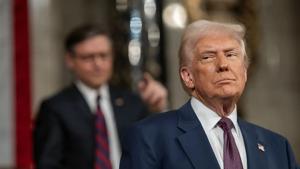
War Powers Resolution halting Trump’s Iran ambitions fails in U.S. House
Answers wanted to ‘pathetic’ state procurement issues