
Nurses demand inclusion in professional degree definition
The American Nurses Association is urging the public to call for nurses to be added back into the definition of “professional degrees” after the Trump administration removed the designation amid new federal loan borrowing caps.
The ANA has launched an online public comment forum for nurses, employers, educators, patients and advocates to urge the U.S. Department of Education to re-include nursing in the professional degree category.
Starting July 1, 2026, Grad PLUS loans will be capped. New borrowers pursuing professional degrees, such as law, will face a lifetime limit of $200,000, while those in other graduate programs will be restricted to $100,000.
Concerns have risen over the change of some graduate degrees not included in the definition of “professional degree.” Those excluded include degrees for nursing, physician assistants, physical therapy, audiology, social work, counseling or therapy, and speech pathology.
Nurses deserve to make financial decisions about their education and receive the same support that is afforded to other included professional degrees, the ANA said in a statement this week.
“Excluding nursing from the professional degree category has the potential to put patient care at risk, especially in areas where nurses are the only healthcare providers in their communities. We urge the Department to correct this proposal and explicitly include nursing as a professional degree before the rule is finalized,” said Jennifer Mensik Kennedy, president of the American Nurses Association.
The U.S. Department of Education says there should not be any concerns regarding the new student loan caps. It argues most nursing students won’t be affected because 95% already borrow less than the annual loan limit. The department also says the caps could push graduate nursing programs to lower tuition, helping students avoid excessive debt.
New limits on graduate student loans aim to reduce program costs, the department states. Even with these limits, graduate nursing students can still borrow up to $100,000 in federal loans for their programs, or $20,500 annually.
Data from the National Center for Education Statistics show the average annual cost for nurses pursuing graduate degrees exceeds $30,000.
“Support for education and training needs in the nursing profession, including the pursuit of higher degrees, is widely recognized as among the highest priorities for our nation’s health system,” said Victor Dzau, president of the National Academy of Medicine.






Sunny
Latest News Stories

Federal judge strikes down New Hampshire’s DEI ban

Illinois quick hits: Giannoulias orders village to stop sharing data with CBP

CA, Delaware attorneys general concerned about OpenAI

New York AG to appeal ruling tossing Trump’s $454M civil fraud penalty

Chevron petitons Supreme Court to move lawsuits to federal court

Business leaders eye immigration reform

Trump defends handling of Epstein controversy, says GOP doing ‘legendary’ job

In-home care rule change proposal generates more than 1,500 responses

Polis calls for return of Victims of Crime Act grant funding
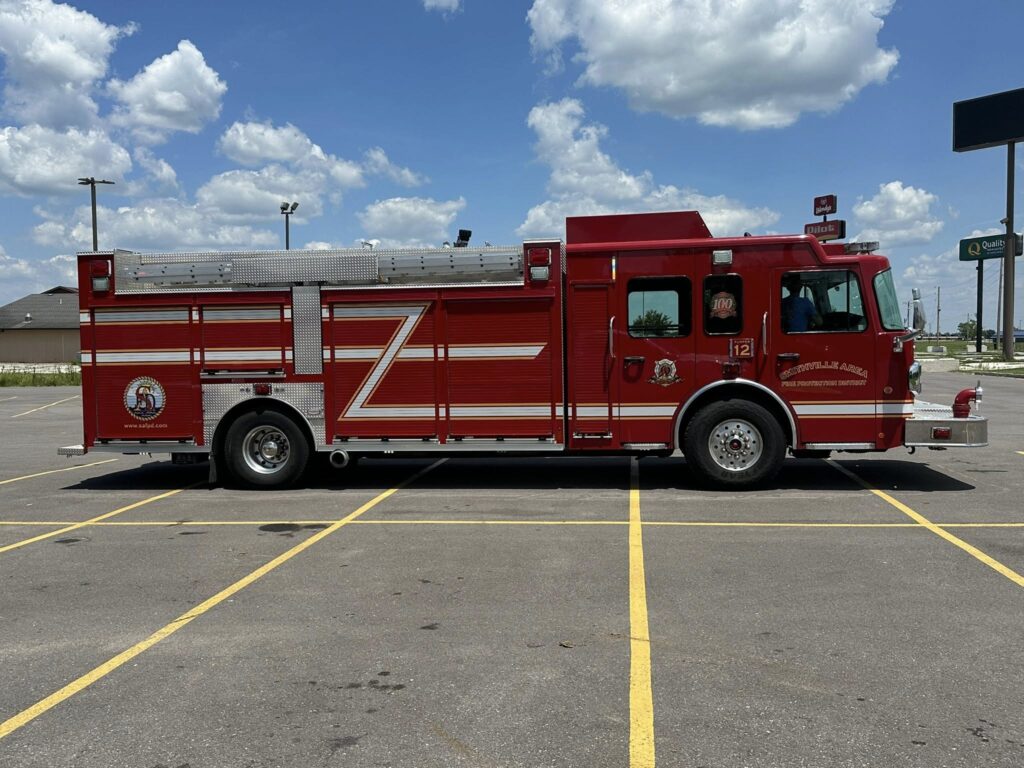
Casey Fire District Approves $400,000 Purchase of New Fire Engine

Clark County Board Faces Public Backlash Over Solar Projects

Casey Continues Sidewalk Replacements on Main Street, Plans Tree Removal