U.S. regulator licenses deepwater port in Gulf for oil exports
Texas GulfLink has received a license to build and operate a deepwater port in the Gulf of America, marking the first such approval in the Trump administration’s effort to speed a process that has moved slowly for decades.In January, federal licensing of offshore deepwater port facilities shifted from the Coast Guard to the U.S. Maritime Administration, a change mandated in the Coast Guard Authorization Act of 2025 intended to speed the approval of facilities that can accommodate the largest vessels transporting crude oil and natural gas.”The Texas GulfLink project is proof that when we slash unnecessary red tape and unleash our fossil fuel sector, we create jobs at home and stability abroad. This critical deepwater port will allow the U.S. to export our abundant resources faster than ever before,” Transportation Secretary Sean Duffy said in a news release.The port, which will be located approximately 27 nautical miles off the coast of Brazoria County, Texas, is designed to export up to 1 million barrels of crude oil per day.The approval follows a six-year review process that began in May 2019, when an application was submitted to the Coast Guard and the Maritime Administration.”To restore our maritime dominance, we must have the modern infrastructure capable of handling the demands of global trade,” said Maritime Administrator Capt. Stephen Carmel. “Texas GulfLink provides a critical offshore logistical asset that keeps our nearshore waterways safer and allows American energy to reach the global market with unprecedented speed and efficiency.”Texas GulfLink is designed to accommodate Very Large Crude Carriers, or VLCCs, thereby reducing vessel congestion near the coast. Loading these massive vessels offshore is faster, cheaper and more efficient than transferring cargo in nearshore waters.The Louisiana Offshore Oil Port, or LOOP, is the only deepwater facility now operating in U.S. waters.The Sea Port Oil Terminal, or SPOT, which would be located off the Texas coast, received a federal license in April 2024 but has not yet begun construction.





Chance Showers And Thunderstorms
Latest News Stories

Congressman proposes bipartisan bill to address fentanyl

API now opposes year-round E15 sales, citing shifting, unstable environment for refiners
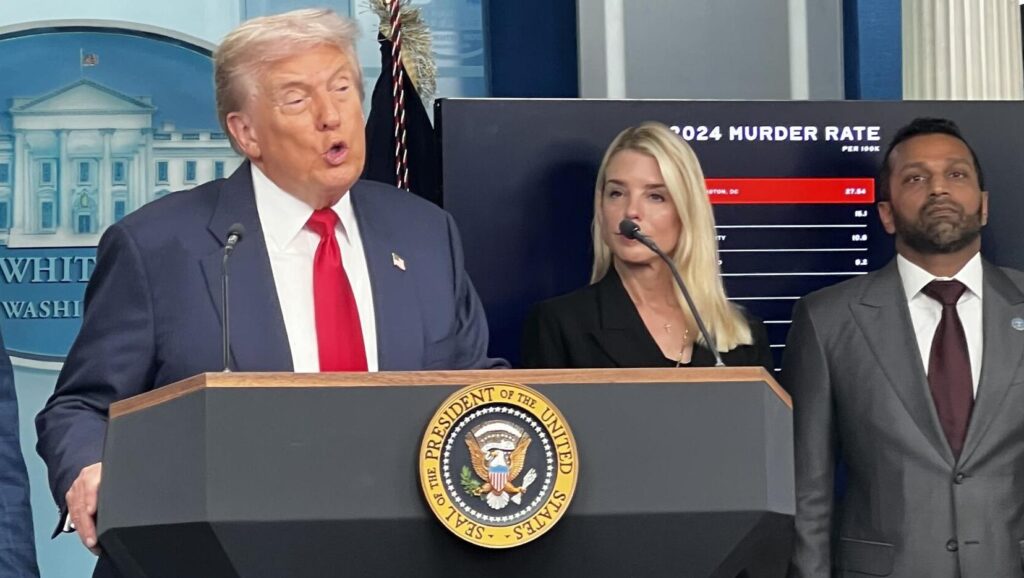
Trump administration asks Supreme Court to toss stay in National Guard case

GOP candidates: Illinois families struggle while Pritzker wins in Las Vegas

WATCH: Pritzker wants immigration enforcement, just not Trump’s way

Trump tells Dems to ‘stop the madness’ after three weeks of government shutdown

Trump, Putin meeting in Hungary called off

WATCH: Businesses argue Congress holds purse strings in tariff challenge

Report: FEMA under Biden politically discriminated against Americans
Trump begins accepting $100k visa payments
Vance optimistic with Gaza peace plan; reiterates no U.S. troops to be on the ground

Poll: Majority of Americans do not support National Guard to deter crime