
U.S. regulator licenses deepwater port in Gulf for oil exports
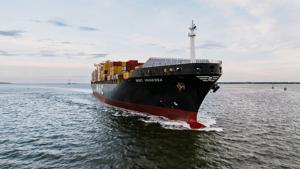
Texas GulfLink has received a license to build and operate a deepwater port in the Gulf of America, marking the first such approval in the Trump administration’s effort to speed a process that has moved slowly for decades.In January, federal licensing of offshore deepwater port facilities shifted from the Coast Guard to the U.S. Maritime Administration, a change mandated in the Coast Guard Authorization Act of 2025 intended to speed the approval of facilities that can accommodate the largest vessels transporting crude oil and natural gas.”The Texas GulfLink project is proof that when we slash unnecessary red tape and unleash our fossil fuel sector, we create jobs at home and stability abroad. This critical deepwater port will allow the U.S. to export our abundant resources faster than ever before,” Transportation Secretary Sean Duffy said in a news release.The port, which will be located approximately 27 nautical miles off the coast of Brazoria County, Texas, is designed to export up to 1 million barrels of crude oil per day.The approval follows a six-year review process that began in May 2019, when an application was submitted to the Coast Guard and the Maritime Administration.”To restore our maritime dominance, we must have the modern infrastructure capable of handling the demands of global trade,” said Maritime Administrator Capt. Stephen Carmel. “Texas GulfLink provides a critical offshore logistical asset that keeps our nearshore waterways safer and allows American energy to reach the global market with unprecedented speed and efficiency.”Texas GulfLink is designed to accommodate Very Large Crude Carriers, or VLCCs, thereby reducing vessel congestion near the coast. Loading these massive vessels offshore is faster, cheaper and more efficient than transferring cargo in nearshore waters.The Louisiana Offshore Oil Port, or LOOP, is the only deepwater facility now operating in U.S. waters.The Sea Port Oil Terminal, or SPOT, which would be located off the Texas coast, received a federal license in April 2024 but has not yet begun construction.






Sunny
Latest News Stories
Trump’s tariff revenue in doubt after appeals court ruling

Congress to face mounting pressure to act on future of D.C.

Trump says appeals court ruling rejecting tariffs ‘highly partisan’

DOJ urges federal judge to strike down climate change law

WATCH: Newsom deploys state police to help local law enforcement

Appeals court rejects Trump’s tariffs, but leaves them in place

Denver Public Schools accused of violating Title IX

Poll: 41% of parents worried about school safety before Minneapolis shooting

Report: Offshore wind critics played role in Revolution Wind work stoppage

Nevada governor addresses statewide cyberattack

Illinois quick hits: Mine manager pleads guilty; Johnson issues food executive order
Op-Ed: Chicago-area transit needs an intervention, not another fix