U.S. regulator licenses deepwater port in Gulf for oil exports
Texas GulfLink has received a license to build and operate a deepwater port in the Gulf of America, marking the first such approval in the Trump administration’s effort to speed a process that has moved slowly for decades.In January, federal licensing of offshore deepwater port facilities shifted from the Coast Guard to the U.S. Maritime Administration, a change mandated in the Coast Guard Authorization Act of 2025 intended to speed the approval of facilities that can accommodate the largest vessels transporting crude oil and natural gas.”The Texas GulfLink project is proof that when we slash unnecessary red tape and unleash our fossil fuel sector, we create jobs at home and stability abroad. This critical deepwater port will allow the U.S. to export our abundant resources faster than ever before,” Transportation Secretary Sean Duffy said in a news release.The port, which will be located approximately 27 nautical miles off the coast of Brazoria County, Texas, is designed to export up to 1 million barrels of crude oil per day.The approval follows a six-year review process that began in May 2019, when an application was submitted to the Coast Guard and the Maritime Administration.”To restore our maritime dominance, we must have the modern infrastructure capable of handling the demands of global trade,” said Maritime Administrator Capt. Stephen Carmel. “Texas GulfLink provides a critical offshore logistical asset that keeps our nearshore waterways safer and allows American energy to reach the global market with unprecedented speed and efficiency.”Texas GulfLink is designed to accommodate Very Large Crude Carriers, or VLCCs, thereby reducing vessel congestion near the coast. Loading these massive vessels offshore is faster, cheaper and more efficient than transferring cargo in nearshore waters.The Louisiana Offshore Oil Port, or LOOP, is the only deepwater facility now operating in U.S. waters.The Sea Port Oil Terminal, or SPOT, which would be located off the Texas coast, received a federal license in April 2024 but has not yet begun construction.





Slight Chance Showers And Thunderstorms then Chance Showers And Thunderstorms
Latest News Stories

Chicago can’t ditch airlines’ suit vs ‘disruptive’ paid sick leave rules
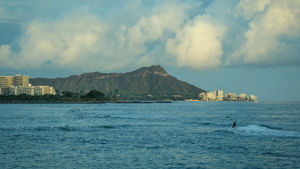
FEMA says funding debate didn’t affect response to Hawaii

Maryland Supreme Court tosses Blue cities’ climate lawsuits against energy companies
Arizona Senate majority leader blasts Phoenix resolution limiting ICE operations

$4.4B budget request for new Illinois early childhood agency draws scrutiny

Lawmaker, officer warns Elgin officer firing could chill free speech
Airline nixes perk for flying lawmakers as DHS shutdown continues

Student sues school over removal of Charlie Kirk tribute
Illinois quick hits: Coalition calls for more action on data centers
Asylum advocates disappointed by Supreme Court arguments
IL House GOP asks “Have you had enough yet” following student’s murder
EXCLUSIVE: 5-year anniversary of Operation Lone Star, nearly 540,000 apprehended