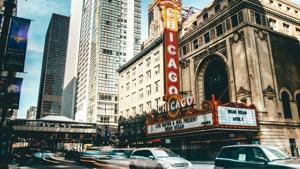
Chicago’s $41 billion financial hole exposes city’s pension crisis
(The Center Square) – Chicago finished fiscal year 2024 with a $41.1 billion gap between the money it has available to pay bills and the obligations it owes, according to a new report from Truth in Accounting, placing the city among the worst financially managed major cities in the nation.
The nonprofit’s Financial State of the Cities 2026 report analyzed the five largest U.S. cities using audited financial statements. Chicago earned an “F” grade and a taxpayer burden of $42,600 per taxpayer.
Only New York City ranked worse, though Truth in Accounting CEO Sheila Weinberg said Chicago’s finances appear stronger than they are because key entities like Chicago Public Schools and the park district are excluded from the city’s reports.
Despite the findings, Chicago officials continue to claim the city operates under a balanced budget, a claim Weinberg said depends on what she called “shenanigans” in the city’s accounting practices.
“They only include the expenses they’ve paid, not all the expenses they’ve incurred,” Weinberg said. “They also include loan proceeds as revenue and still claim the budget is balanced. In the real world, borrowing money to balance your budget would be insane. But in government budgeting, that’s how they do it.”
Chicago’s four major pension funds are among the most underfunded in the nation, with only about 25 cents set aside for every dollar promised in benefits, according to Weinberg. The city’s unfunded pension liability exceeds total employee payroll by more than eight times.
Weinberg said Illinois leaders expanded police and firefighter pension benefits to gain political favor despite severe underfunding, reducing funding levels to about 17 cents for every dollar promised and increasing the risk of a future federal bailout.
While pension funding has increased in recent years, Weinberg said the city still contributes less than what actuaries say is required.
“They fully fund the statutory requirement, not the actuarially determined contribution,” she said. “That statutory requirement is far less than what the actuaries say they should be paying.”
Weinberg explained the report is less about rankings and more about what separates fiscally stable cities from those pushing costs into the future.
“What we found is that the cities that actually fund the benefits they promise are doing better,” Weinberg told TCS. “The ones that don’t are the ones in trouble.”
Among the five cities analyzed, Los Angeles posted the lowest taxpayer burden at $1,300 and earned a “C” grade. Weinberg said the difference comes down to policy.
Los Angeles requires the city to fund both pensions and retiree health care benefits at the level recommended by its actuaries, a practice that is rare among governments but standard in the private sector.
“They [Los Angeles] fund what their own actuaries say they should fund, and they even go further by funding retiree health care benefits,” Weinberg said. “As a result, they’re not pushing costs onto future taxpayers the way other cities are.”
Truth in Accounting is now working with members of the U.S. Senate to pursue federal legislation that would require state and local governments to fully fund pension and retiree health care promises.
Weinberg said the effort mirrors the Employee Retirement Income Security Act, which Congress passed in the 1970s after private companies went bankrupt and left workers without promised pensions.
“State and local governments were left out, and that’s how we ended up here,” said Weinberg.
Weinberg said Truth in Accounting is currently working with U.S. Sen. Jim Banks of Indiana, arguing that without reform, taxpayers nationwide could eventually be asked to bail out deeply underfunded governments.
“We’re trying to stop that before it happens,” she said.






Showers And Thunderstorms
Latest News Stories

Board Grants Fire Department Building Access, Upholds Wednesday and Sunday Sports Restrictions

Marshall Board of Education Approves Over $88,000 in Emergency Repairs and Fine Arts Upgrades

Meeting Summary and Briefs: Casey Township Library Board for February 5, 2026

Casey Township Library Announces “Plant a Seed, Read” Summer Program and Imagination Library Milestones

Goble Dominates in the Circle, Casey-Westfield Offense Explodes in 15-0 Rout of Woodlawn
Casey-Westfield Board Approves Principal Contracts, Hires New Head Football Coach

Everyday Economics: The Fed faces a slowing economy and a new inflation shock
Poll: Slim majority of Americans unhappy with Trump’s job performance, economy

Most voters support bans on transgender athletes in female sports

Martinsville School Board Bans Individual from District Events Following Special Hearing

Midterm elections poll shows tight congressional races
Casey Township Library Pauses Architectural Services Amid $24,975 Expansion Payout