EXCLUSIVE: 5 largest U.S. cities don’t have enough money to pay bills: report
The five largest cities in the United States, all led by Democrats, did not have enough money to pay their bills in 2024, according to a new Truth in Accounting report first provided to The Center Square.
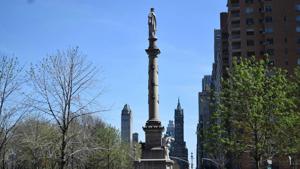
Its Financial State of the Cities 2026 report examines the fiscal health of the cities of Los Angeles, Houston, Philadelphia, Chicago and New York City, with New York City again leading the U.S. with the greatest taxpayer burden.
The analysis is based on the most recent audited Annual Comprehensive Financial Reports from fiscal year 2024. It assesses the amount of money city governments need to pay their bills, dividing this number by the estimated number of city taxpayers. The difference is the taxpayer burden, or what every taxpayer owes in order to pay off the city’s debt, TIA explains.
According to the data, New York City residents have the highest taxpayer burden of $61,700, followed by Chicagoans’ $42,600, Philadelphians’ $17,000, Houstonians’ $4,800 and Los Angeles residents’ $1,300.
Each city’s financial reports are different and not apple-to-apple comparisons.
“Because of varying state laws, cities operate under complex and varied governmental structures, making comparisons difficult and reducing transparency,” TIA say. “For example, New York City includes its school district in its financial reports, while Chicago Public Schools are reported separately. If Chicago and the public school system were combined, it would significantly change Chicago’s reported numbers. These structural differences can obscure what is included in city financial reporting, making it harder, if not impossible, for voters to assess city financial performance when voting.”
TIA has historically issued reports evaluating the top 75 most populous cities every year. This year, the report focuses on the top five cities because “prior analysis found that the five largest cities accounted for over 80 percent of total city debt,” it explains.
At the end of fiscal 2024, all five cities didn’t have enough money to pay their bills despite having balanced budget requirements. In order “to claim their budgets were balanced, as is required by law in the five cities, elected officials” didn’t include “the full cost of government in their budget calculations and shifted costs onto future taxpayers,” TIA said.
Combined, the five cities had $144 billion in assets; their combined debt, including unfunded pension and other post-employment benefits (OPEB), totaled $384 billion. Their combined shortfall was $240 billion, according to the analysis. This included $92 billion in pension debt and $112 billion in OPEB, mainly retiree health care, debt.
A “common and pressing challenge persists” in all five cities, the report notes: “long-term costs of pensions and retiree health care benefits continue to strain their financial health despite short-term improvements or varying circumstances.”
“While investment gains have temporarily eased pension liabilities in cities like New York City and Houston, these gains remain unrealized and uncertain,” it says. New York City’s growing retiree health care obligations “remain vastly underfunded,” as do the other cities’ it notes.
“Chicago exemplifies the consequences of chronic pension underfunding, with liabilities exceeding assets and recurring budget shortfalls,” it adds.
“Los Angeles and Philadelphia, which have made progress in funding, face limitations in financial flexibility due to increased capital investments and rising expenses,” it adds.
The report also grades each city based on its taxpayer burden. New York City and Chicago received F grades; Philadelphia received a D; Houston and Los Angeles received C grades for fiscal health.
The 32-page report expounds on city pension systems, city retirement promises and calls on Congress to amend the Employee Retirement Income Security Act (ERISA) to safeguard private sector pensions.
It also makes recommendations for local governments related to preparing financial reports and encourages citizens and the media to “hold leaders accountable.”




Mostly Sunny
Latest News Stories

Inflation holds steady amid trade war threats
Report: Average American household will benefit from ‘big, beautiful bill’ tax cuts

Pritzker continues fielding presidential question ahead of State Fair rally
Whitmer takes a stand against tariffs; meets with Trump

WATCH: Illinois In Focus Daily | Tuesday Aug. 12th, 2025

Governor to evaluate tax proposal for Bears stadium in Arlington Heights

Illinois quick hits: Report shows rate of businesses leaving state

Report: New York No. 2 in nation for inbound tobacco smuggling

Lake Land College Hires Philadelphia Firm for $100,000 Digital Marketing Campaign
Trump delays China tariffs by 90 days

Kennedy visits Atlanta’s CDC

DCFS denies claim that agency uses uncertified interns to investigate families