Illinois lawmakers push bipartisan energy choice package
(The Center Square) – A bipartisan group of Illinois lawmakers have introduced energy legislation to protect consumers from costs associated with the state’s planned phaseout of natural gas.
Saying Illinois will not meet its 2035 electrification goals if the state eliminates energy options before they are replaced, the Clean Energy Choice Coalition advocated for a package of energy legislation at the Illinois Capitol this week.
State Sen. Javier Cervantes, D-Chicago, said Senate Bill 3979 requires a thorough review of customer bill impacts before large-scale gas transition projects are approved and protects rate-payers from unfair cost increases and shifting.
‘Now what it doesn’t do, it does not stop electrification or clean energy innovation and it does not roll back environmental progress,” Cervantes said.
State Sen. Terri Bryant, R-Murphysboro, said Senate Bill 4028 would have the Illinois Commerce Commission address outdated interconnection rules that lead to lengthy timelines and inconsistent costs for developers and businesses.
“The bill gives the ICC 180 days to initiate and complete a rulemaking to modernize those interconnection standards and remove bottlenecks,” Bryant said.
State Sen. Patrick Joyce, D-Essex, introduced Senate Bill 3929 for an extension of Illinois’ clean energy timeline from 2050 to 2060.
State Sen. Sue Rezin, R-Morris, said the package of bills provide reliability and affordability.
“It’s about our most vulnerable and low-income residents from even higher costs, and they are about ensuring Illinois stays strong and does not experience preventable energy losses,” Rezin said.
Rezin said natural gas remains a backbone for reliable and affordable energy.
Representing the CECC, Lissa Druss said a recent state resource adequacy study projects tightening grid margins, rising capacity prices and long-term infrastructure challenges.
“When energy options disappear before replacements are available, reliable and adequate, reliability suffers, costs increase and vulnerable residents are hit the hardest,” Druss said.
###




Sunny
Latest News Stories
Chicago posts fewest homicides since 2016, arrests rate also declines

Three years later, Inflation Reduction Act blamed for higher Medicare costs

Illinois quick hits: Prosecutors charge two more in Tren de Aragua case; Senate Energy and Public Utilities Committee meets today; Illinois Little League team loses in World Series
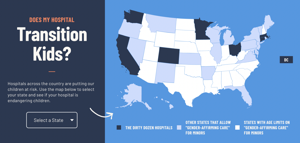
Report: Human Rights Campaign pressures transgender procedures on minors

Everyday Economics: Housing market and Fed policy in focus in the week ahead

Businesses brace for new tax challenges amid global tariff focus


Illinois takes over health insurance marketplace in 2026 amid skepticism
WATCH: IL state reps challenge IEMA-OHS responses to local agencies

Meeting Summary and Briefs: Casey Township Library Board of Trustees for June 26, 2025
Judge expands restraining order against ‘Beto’ O’Rourke, adds ActBlue

Reversing Biden’s precedent, students complete FAFSA in minutes at beta-testing event

Trump, Zelenskyy to meet Monday in steps toward peace with Russia