
Lawmakers consider SNAP, other amendments to 2026 farm bill
Lawmakers on the U.S. House Agriculture Committee debated dozens of amendments to the long-overdue 2026 farm bill during the Tuesday night markup.
The Farm, Food, and National Security Act of 2026 is a more than 800-page package authorizing various nutrition, rural development, farm support, and agricultural trade programs.
Among hundreds of other measures, the legislation would make investments into broadband connectivity, childcare, forest management, water infrastructure, and hospital assistance in rural areas, as well as crop insurance programs and the Rural Energy for America Program.
Though bipartisan, the legislation received vehement pushback from some Democrats over some provisions, such as a loosening of restrictions on chemical environmental contaminants and limiting federal investments into farmland-based solar projects.
Besides introducing amendments to undo those portions, Democrats advocated using the bill to reverse both the food stamp reforms in Republicans’ “One Big Beautiful Bill” and President Donald Trump’s tariff policies.
Other proposed changes included providing financial relief for farmers dealing with PFAS contamination, restoring $1 billion to the Environmental Quality Incentives Program, redirecting the $20 billion in aid to Argentina to American farmers impacted by tariffs, and exempting veterans from SNAP work requirements.
Committee Republicans are highly unlikely to adopt those amendments.
“Throughout the creation of this farm bill, it was an open and honest process. My door was open to anyone who had practical, actionable items for improving ag policy,” committee Chairman Glenn Thompson, R-Pa., told lawmakers.
“If you are disappointed that a priority is not addressed in this text, please know that I understand, as the bill is missing many of my priorities as well,” Thompson added. “But we must not let perfect be the enemy of good.”
A few Republican lawmakers have brought forward amendments as well, including one striking any benefits specifically allocated for “socially disadvantaged” individuals and another that would create a grant program to help bring more organic products to the market.
Ranking member Angie Craig, D-Minn., said the bill “represents a missed opportunity to address the most pressing challenges facing farmers and families right now.”
“My sincere hope is that the Senate will provide us a product that better meets the needs of the American farmer and rural communities,” Craig told the committee. “I cannot vote for this bill today, but I remain hopeful that in the end, we get the product that America’s farmers and working people deserve.”
Although Congress is supposed to pass a new farm bill every five years, the most recent farm bill passed in 2018. If passed, the newly introduced farm bill would last through fiscal year 2031.
More than 230 stakeholder organizations have publicly supported the bill.






Showers And Thunderstorms Likely
Latest News Stories

Illinois Quick Hits: Unemployment numbers rise; Champaign job growth continues

Filing lawsuits doesn’t immunize Gori vs asbestos fraud claims: New filing

Casey Annexes City-Owned Properties to Correct Boundary ‘Donut Holes’
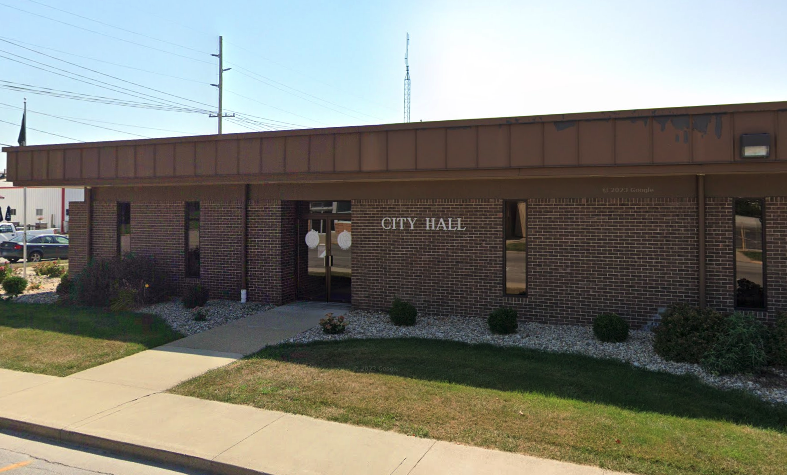
Casey Approves Two Easement Ordinances for North-of-Interstate Utility Work

Meeting Summary and Briefs: Casey-Westfield CUSD C-4 Board of Education for May 18, 2026
Casey Moves to Curb Park Vandalism With Cameras, Possible E-Bike Ban

Casey-Westfield Board Eliminates One Support Position, Reassigns Two Aides
Casey to Raise Utility Rates Across Gas, Electric, Water and Sewer After $900,000 Shortfall

Bill to let felons vote from prison draws criticism from Republicans

Supreme Court yet to decide high profile cases

Government spending on seniors’ benefits soon to make up majority of federal budget

Illinois Dems seek to expand post-release convict support, housing